 Our Chinese department:




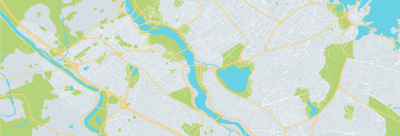


09:00 A new gathering place for groups in connection with the reconstruction of the forecourt: Volgograd, Mira St., 9, a site near the Main Post Office building.
The landmark is the main entrance to the Main Post Office. The distance from the railway station is about 5 minutes on foot.
A guide with a sign "To Elista from Volgograd".
Sightseeing bus and walking tour "Hero city – Volgograd".
Immerse yourself in the legendary history of the city, which has changed its name three times — from merchant Tsaritsyn to military Stalingrad and modern Volgograd.
You will see the main symbols: the Alley of Heroes, the Square of Fallen Fighters, the famous "dancing" bridge and the legendary Pavlov House — the personification of perseverance. Find out how the hero city lives today.
And in your free time, you can take a ride on a high-speed tram (included in the route of the Forbes world tram rating).
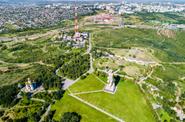
Excursion to Mamayev Kurgan "Memory carved in stone".
This is the main height of Russia and a place of tremendous emotional power. Accompanied by a guide, you will walk the entire path of a Soviet soldier: from the composition "Memory of Generations" through the ruins of the Walls, resounding with the voices of war, to the square of Those who Stood to the Death.
With bated breath, you will enter the solemn Hall of Military Glory with eternal flame and changing of the guard.
The culmination is a meeting with one of the largest statues in the world, "The Motherland is calling!". Our guide will reveal the secrets of its creation and construction. The tour will end with a moment of peace in the Church of All Saints.
Visit to the Battle of Stalingrad Panorama Museum.
On the Volga embankment you will find a large-scale panorama "The defeat of the Nazi troops at Stalingrad" — an artistic canvas of the battle cycle. In the museum halls you will see authentic relics of the battle.
14:30 The end of the excursion program.
Transfer and check-in at the hotel.
Free time.
18:00 Evening program: gathering of the group at the panorama museum "Battle of Stalingrad".
Immersive performance "Fragments of Memory".
This is not just an excursion, but an immersion in the past. You will become an accomplice to the events, collecting fragments of letters along the route, meeting "revived" characters from 1942-43 — a nurse, a soldier, a child.
Their personal stories, told in the first person among the evening city, will create the effect of a time machine. This is the most poignant way to understand what the Battle of Stalingrad is on a personal, human level.