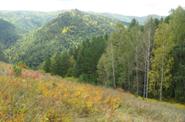
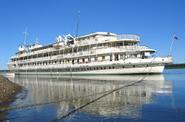
Early arrival in Minusinsk at 06:50, one of the oldest cities in Southern Siberia, founded in 1739. It is located in the center of the vast forest-steppe Minusinsk basin, surrounded on all sides by mountains.
Departure to Shushenskoye.
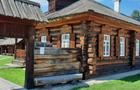
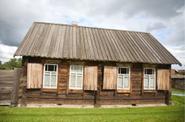
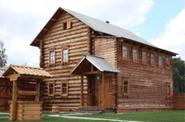
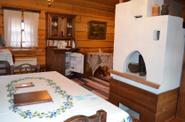
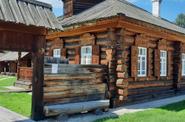
Accommodation (2 or 3 persons) in the Novaya Village hotel complex is an architectural and ethnographic complex of the Shushenskoye Museum-Reserve, which offers a unique opportunity for visitors to find themselves in a Siberian village of the late 19th century with its streets and houses, with its customs and traditions.
Sightseeing tour of the museum.
Guided tour of the Historical and Ethnographic Museum-reserve Shushenskoye. A unique historical, architectural, and ethnographic complex located in the open air on the banks of the Shusha River, near its confluence with the Yenisei. The area of the museum-reserve is about 16 hectares.
The museum represents the historically developed central part of an ancient Siberian village.
The economic activity, way of life, social life, and spiritual culture of Siberian peasants at the turn of the 19th and 20th centuries are represented in monuments of rural architecture, in the interiors of peasant houses and public buildings, in rich collections of tools and household peasant art.
The main and scientific-auxiliary fund of the museum includes 106,225 items of storage. It consists of more than 30 different collections: memorabilia, books of the 19th – early 20th centuries, vehicles, furniture, clothing, tableware, samovars, musical instruments, etc.
Lunch.
Visiting exhibitions, demonstration of crafts (weaving), master class. The Shushenskoye Museum-Reserve has been engaged in exhibition work since its inception, most actively since the late 80s of the twentieth century.
Exhibitions from the museum's collections are displayed not only on museum squares, but also exported to nearby territories. In the late 19th and early 20th centuries, more than thirty types of crafts and crafts were developed in the Shushenskaya volost of the Minusinsk district.
The exposition of the museum-reserve presents widespread crafts related to the processing of wood, clay, fibrous crops, wool, and others.
One of the main directions in the work of the museum-reserve now is not only the display, but also the revival of ancient crafts.
Supper.

 Our Chinese department: