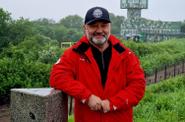
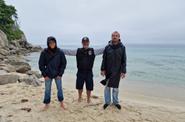
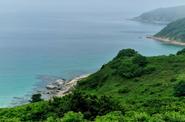
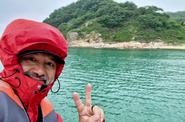
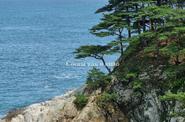
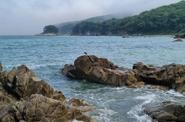
The Land of the Leopard National Park is famous all over the world for its truly unique nature.
Located at the junction of the borders of three states, this territory has the largest variety of animal and plant species in Northeast Asia. The Land of the Leopard includes reference areas of the South Ussuri taiga that have preserved relict forests.
This place is rightfully called the "most feline" natural territory of Russia. After all, only here there are four types of wild cats at once – the Far Eastern leopard, the Amur tiger, the lynx and the Far Eastern forest cat.
The Land of the Leopard National Park was established in Primorsky Krai in 2012 with the main goal of preserving and restoring the population of the rarest cat in the world.
At the end of the twentieth century, there were only 30-35 individuals of the Far Eastern leopard left in the world. The National Park is a leopard maternity hospital in Primorye. As they grow up, leopards disperse across vast territories.
Now the population is increasing, although many scientists did not believe in the possibility of its revival. According to the latest data, the population of the Far Eastern leopard has 128 adults in the region.
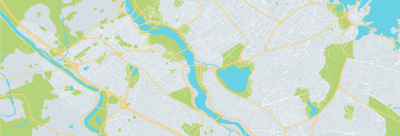
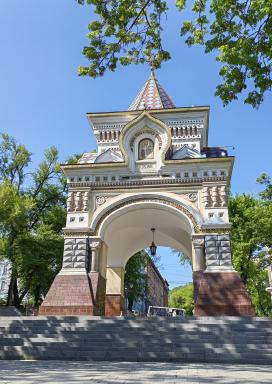
The city of Vladivostok is located on the Muravyov-Amursky Peninsula and is washed by the waters of the Sea of Japan!
It is in Vladivostok that the Great Trans-Siberian Railway ends, and upon arrival at the terminal station by rail, you can immediately transfer to a motor ship and embark on a long journey by sea to Japan or South Korea.
The building of the railway station in Vladivostok is very similar to the building of Yaroslavsky railway station in Moscow. This is how Russian railway builders sealed the way from the capital to the shores of the Pacific Ocean with two railway stations.
The length of the route is more than 9,000 km, the branded Rossiya train runs from Moscow to Vladivostok for 7 days!
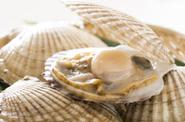
The Dalstam Marine Farm is located on Russian Island. On the tour, you will get acquainted with the technology and stages of mariculture production – from fry to packaging.
More than three million young Trepangs live in Voivode Bay. They grow in special pools for four months, and then move to their natural habitat. The marine farm has been in existence since 2011.
At first, only trepangs and scallops were grown here, and three years ago they decided to experiment with mussels. In Voivode Bay, mussels grow in a "sea garden" near the shore.
A tour of the farm is conducted by a marine technologist. The company's offices and workshops are located in a two-story ship.
There is also a laboratory for growing shellfish feed, a "maternity hospital" for juveniles and large baths with running water for storing shellfish before shipping to restaurants throughout Russia.
Primorsky Aquarium is one of the largest oceanariums in the world.
The shape of the building resembles an open clam shell.
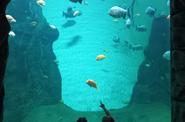
In the left wing of the aquarium there is a reservoir with a 70-meter underwater tunnel. In the right wing there is a dolphinarium with an arena pool and stands that can accommodate 800 spectators.
The water show takes place at 11 and 15 o'clock.
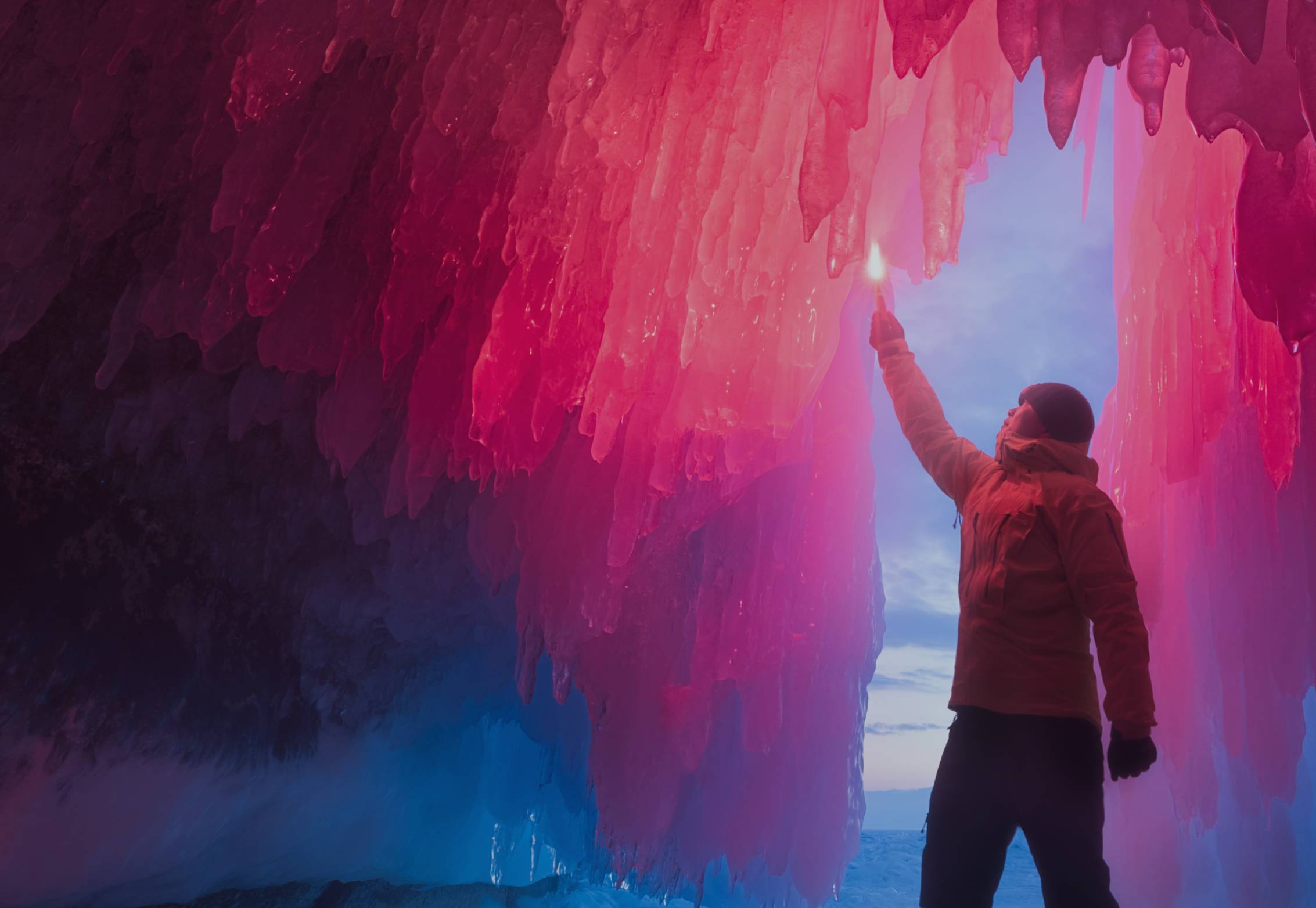
The inhabitants of the Primorsky Aquarium include representatives of all oceans and climatic zones of the Earth. This includes the inhabitants of the Sea of Japan, the Arctic, Lake Baikal, the Amur River and others.

 Our Chinese department: