 Our Chinese department:


Location
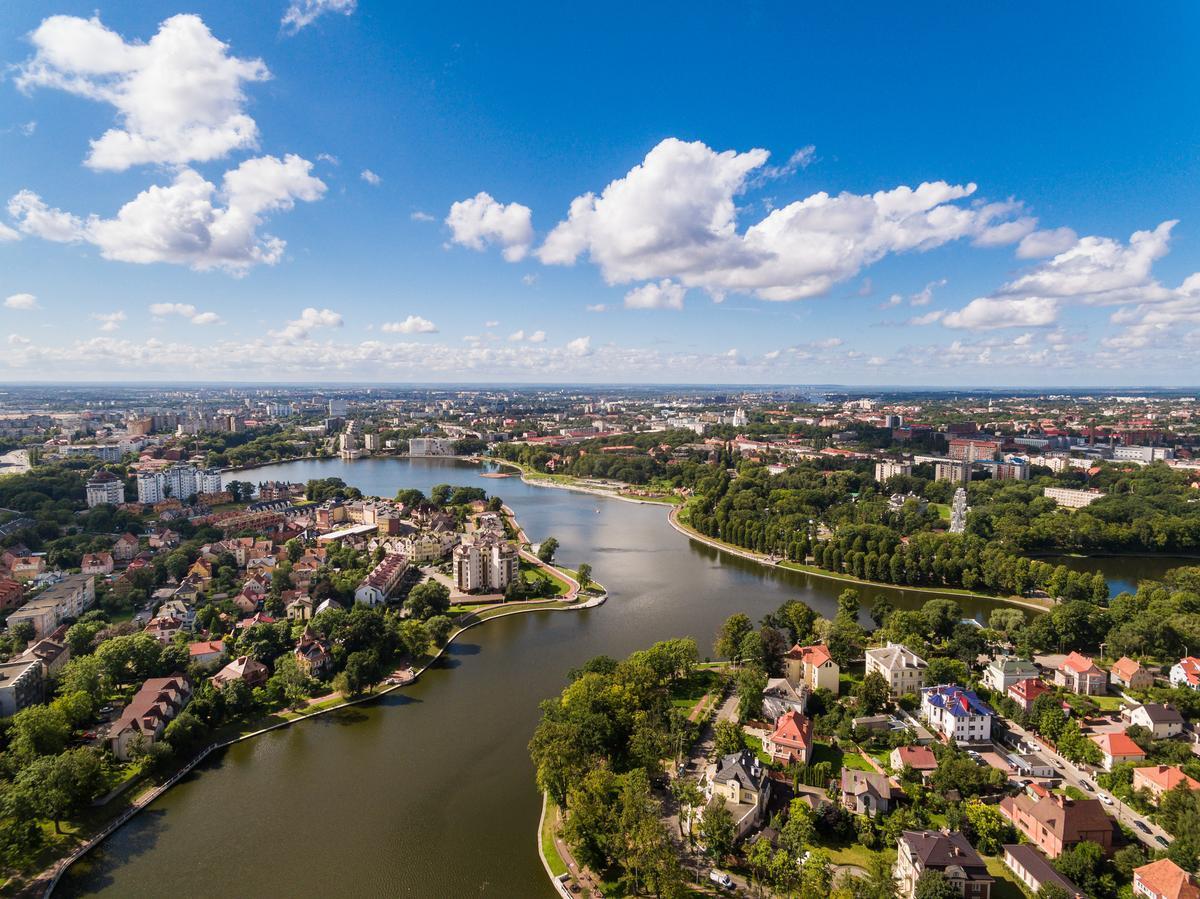
Kaliningrad sits on the Baltic coast, on both banks of the Pregolya River, which flows into the Kaliningrad Lagoon (Vistula Lagoon). The river and its channels divide the city into several parts, connected by a network of bridges.
The Kaliningrad region has no land borders with the rest of Russia. To reach it, you need to cross other countries by land, water, or air.
Geographically, the city is located at 54°43′ N latitude and 20°30′ E longitude.
Getting to Know Kaliningrad
Kaliningrad covers an area of 224.7 square kilometers and has a population of just under half a million people.
The city has a layered history shaped by Prussian, German, and Russian influences, which is still visible in its architecture and urban layout today.
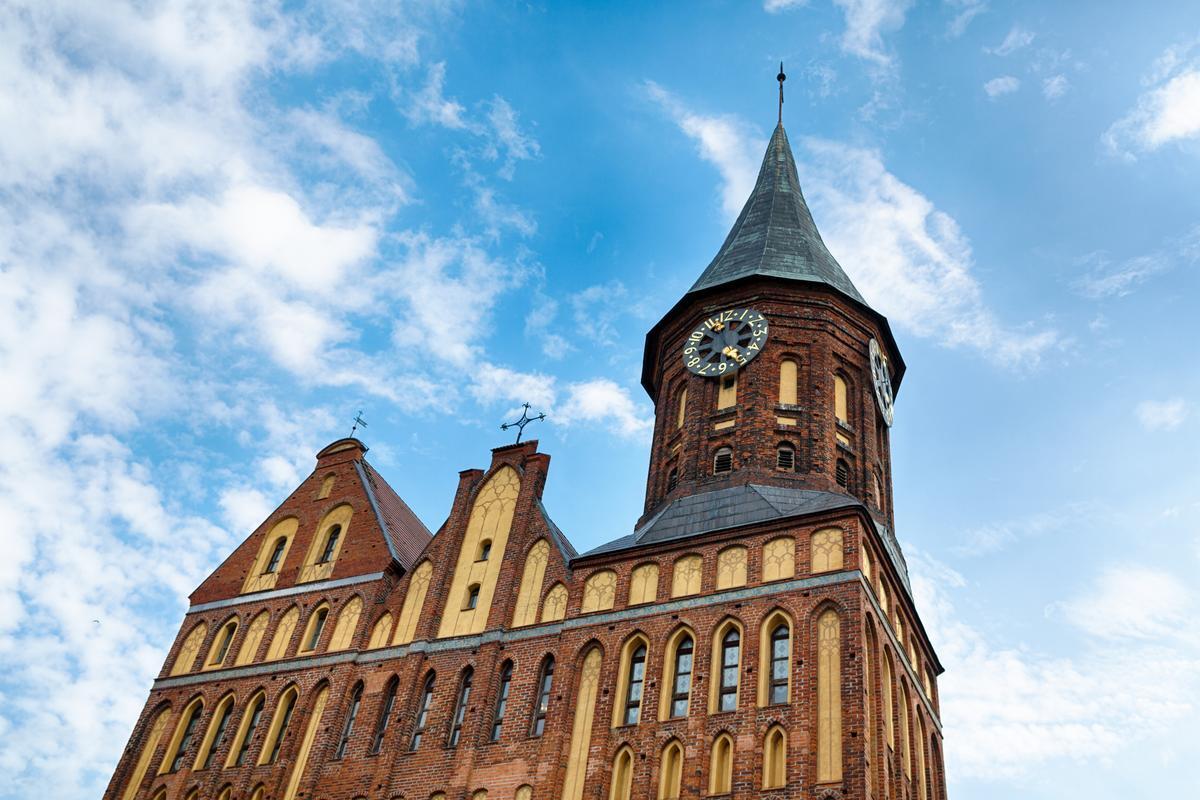
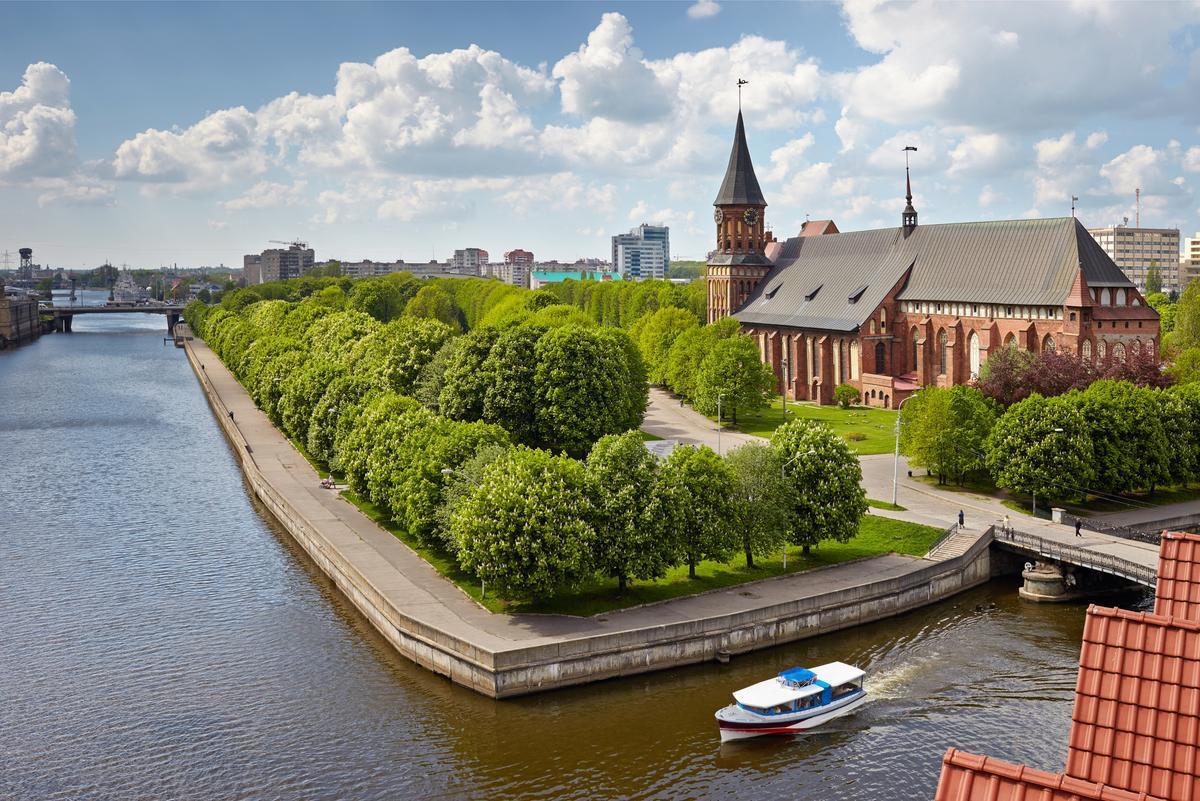
Modern Kaliningrad is divided into three main districts: Centralny, Moskovsky, and Leningradsky. At its historic core lies Kant Island, home to the Cathedral — one of the city’s most iconic landmarks.
History of Kaliningrad
Kaliningrad traces its origins to the mid-13th century, when the Teutonic Knights built a castle on the Pregolya River. Long before that, the area was inhabited by Old Prussians, as evidenced by archaeological finds dating back to the Bronze Age. By the 10th century, a major Prussian settlement had already formed near the river’s mouth.
The Prussian tribes fiercely resisted outside forces, but in the 13th century they were conquered by the Teutonic Order, supported by the army of the Bohemian king Ottokar II. The new fortress was named Königsberg (“King’s Mountain”) in his honor, marking the beginning of the city’s recorded history.
For centuries, the native Prussian population staged uprisings but gradually declined, with many leaving the region and those who remained eventually assimilating.
Over time, German settlements grew around the castle, including Altstadt, Löbenicht, and Kneiphof — the latter located on what is now Kant Island. These towns later merged into Königsberg, which for a long period functioned as a “triple city,” with separate administrations for each district.
Königsberg flourished in the 16th century with the founding of a university and the spread of printing and publishing. In the mid-18th century, during the Seven Years’ War, the city briefly became part of the Russian Empire before being returned to Prussia.
In the 19th century, Königsberg expanded rapidly: railways arrived, public transport developed, and new administrative and financial buildings reshaped the city. In the early 20th century, it became home to one of Europe’s first civilian airports.
World War II brought widespread destruction. Much of the historic city — including the castle, cathedral, and university — was heavily damaged or lost. Following the Potsdam Agreement, Königsberg and part of East Prussia were transferred to the Soviet Union.
In 1946, the city was renamed Kaliningrad. It was rebuilt in the postwar decades with new residential districts, infrastructure, and cultural institutions.
Climate
Kaliningrad’s climate is strongly influenced by its proximity to the Baltic Sea. Winters are relatively mild but changeable, while summers are comfortable and rarely hot.
The warm season typically begins in the second half of May and lasts until mid-September, followed by a short transitional period. Winter usually sets in around November and continues through March.
Average summer temperatures range from 64–68°F (18–20°C), with July being the warmest month, when temperatures often rise above 77°F (25°C). January is the coldest month, though maritime air keeps average temperatures around 23°F (–5°C). Daytime winter temperatures often hover near freezing, bringing damp, slushy conditions. Overcast days are common, accounting for roughly two-thirds of the year.
Weather in Kaliningrad can be unpredictable. Sunshine can quickly give way to rain, and strong winds may drop just as suddenly. Locals often joke: if you don’t like the weather, it’s worth waiting at least 15 minutes.
Best Time to Visit
While winters in Kaliningrad are not especially cold, they tend to be damp and windy. Cloudy skies are common, and cold Baltic winds can make it feel colder than the actual temperature. Short daylight hours and unpredictable weather can also limit sightseeing. Still, visiting during the holiday season has its appeal: Christmas markets, festive lights, and cozy restaurants create a warm, seasonal atmosphere.
Spring arrives slowly, and the chill can linger after winter. That said, it’s a good time for quiet walks along the river and coastline, with fewer crowds. After winter storms, you might even spot small pieces of amber washed up on the beaches.
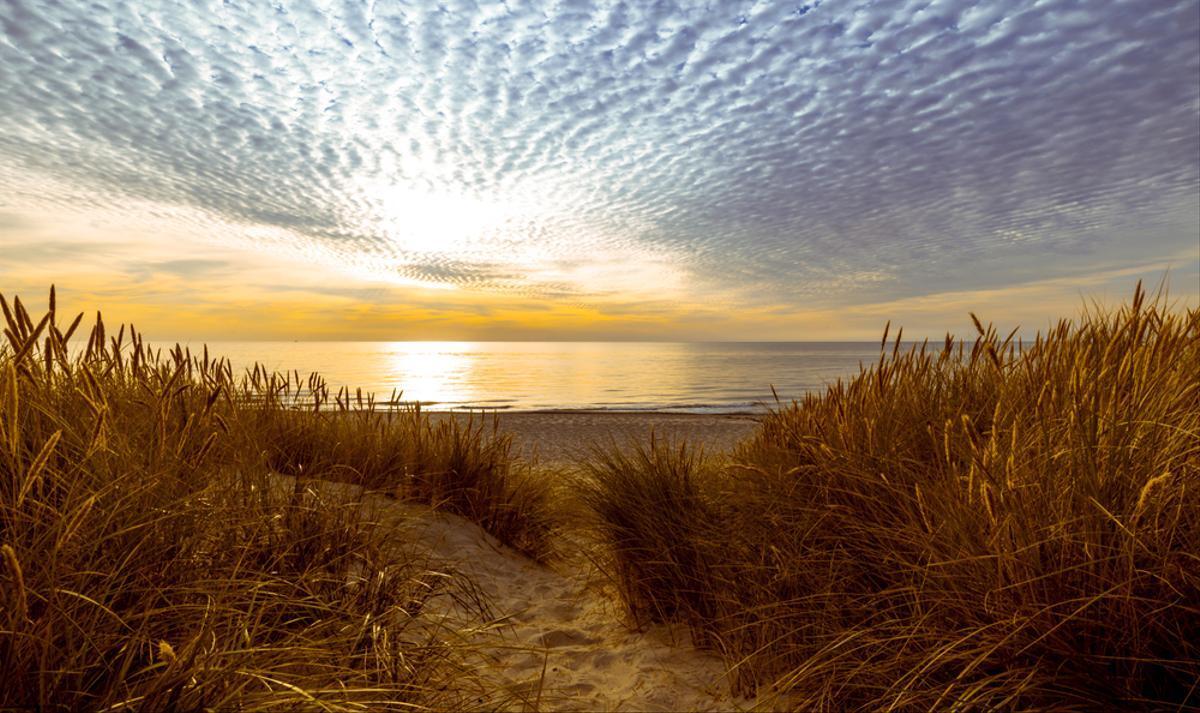
Summer is generally the best time to visit. The weather is mild, with plenty of daylight and relatively little wind, making it ideal for exploring the city and nearby destinations. Popular coastal towns like Svetlogorsk, Zelenogradsk, Baltiysk, and Chernyakhovsk are all easy to reach. July and August also mark the peak beach season along the Baltic coast.
Autumn is one of the most scenic times of year. Parks and historic neighborhoods fill with fall colors, and the air feels crisp and clear. The Amalienau district is especially atmospheric in this season, while the Curonian Spit offers dramatic coastal landscapes. Even the famous Dancing Forest, with its twisted pine trees, takes on a more mysterious character in autumn.
What to Pack
Even in summer, it’s worth bringing a light jacket — evenings in Kaliningrad can be cool. Comfortable walking shoes are essential for getting around the city, and a backup pair is a good idea, especially if you plan to explore beyond the center. Sneakers work well for everyday sightseeing, while waterproof footwear is recommended for nature trips.
During occasional hot spells in mid-summer, lightweight clothing like T-shirts, shorts, dresses, and sandals will come in handy. If you’re planning time by the sea, don’t forget sunglasses, sunscreen, and swimwear.
In colder months, dress in layers and opt for water-resistant outerwear and shoes. Winters are not extremely cold, but strong winds and high humidity can make it feel harsher than it is. Staying dry is key to staying comfortable outdoors, which is why choosing the right clothing matters. Jeans are the most comfortable option for city walks in any season. A roomy tote bag is especially useful — it fits everything from snacks and shopping bags to a camera and spare clothes.
No matter the season, a compact umbrella or a rain jacket is a must, as sudden showers are common along the Baltic coast.
Getting Around
Kaliningrad has a well-developed public transportation system, with buses as the main way to get around. Routes cover all parts of the city, making it easy to reach most neighborhoods and major attractions. Minibuses (known locally as marshrutkas) are also widely used and follow similar routes.
The city also operates a small trolleybus network, which dates back to the postwar period. Today, only a few lines remain, but they are still part of everyday transit for locals.
Trams, once a major part of Königsberg’s transport system, continue to run on a limited number of routes in central Kaliningrad. The network has been significantly reduced over time, but trams remain a distinctive and historic way to get around the city center.
Top Attractions
Here are some of the most interesting places to visit in Kaliningrad:
- Kaliningrad Botanical Garden — a peaceful green space founded in the early 20th century by a professor of Königsberg University. Covering an area of 13.6 hectares, it features walking paths, greenhouses, a rose garden, and a diverse collection of plant species, including rare varieties.
- Amber Museum — dedicated to the region’s most famous natural resource. Housed in the historic Don Tower, the museum explores the history of amber and displays impressive specimens, including large raw pieces.
- Amalienau District — a historic neighborhood known for its quiet streets, German-style villas, and leafy parks. It’s one of the few areas that survived World War II relatively intact.
- Museum of the World Ocean — a large and engaging museum complex focused on maritime history, ocean science, and shipbuilding. Exhibits include real vessels, marine life displays, and interactive sections.
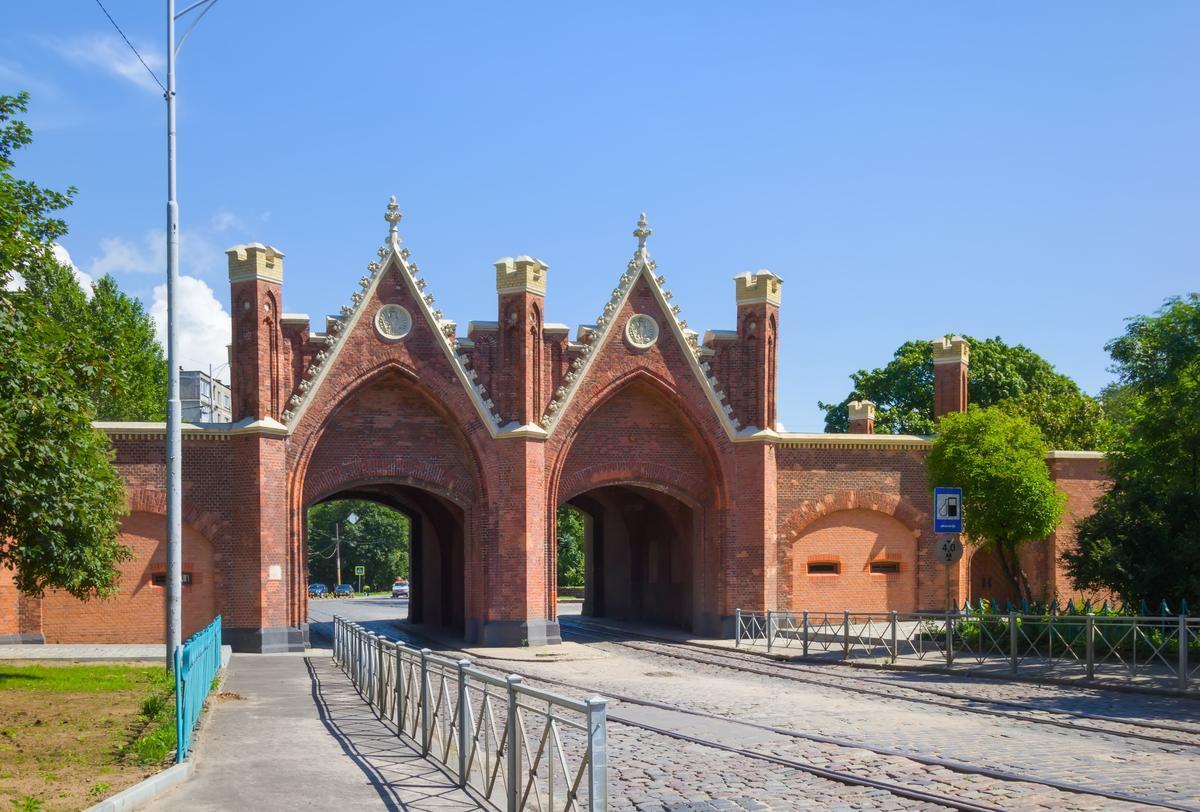
- Kaliningrad Fortifications — remnants of the city’s defensive system, including forts, bastions, and several historic gates. Many have been restored and now house museums or cultural spaces.
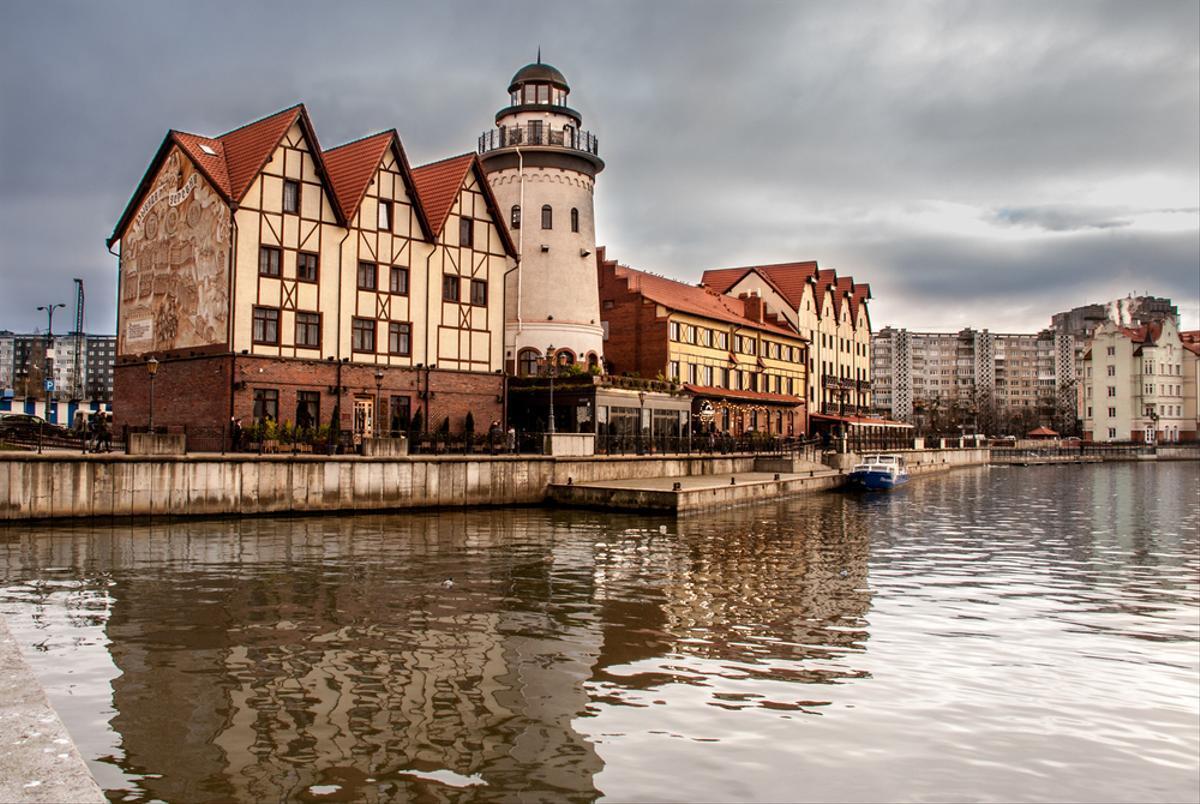
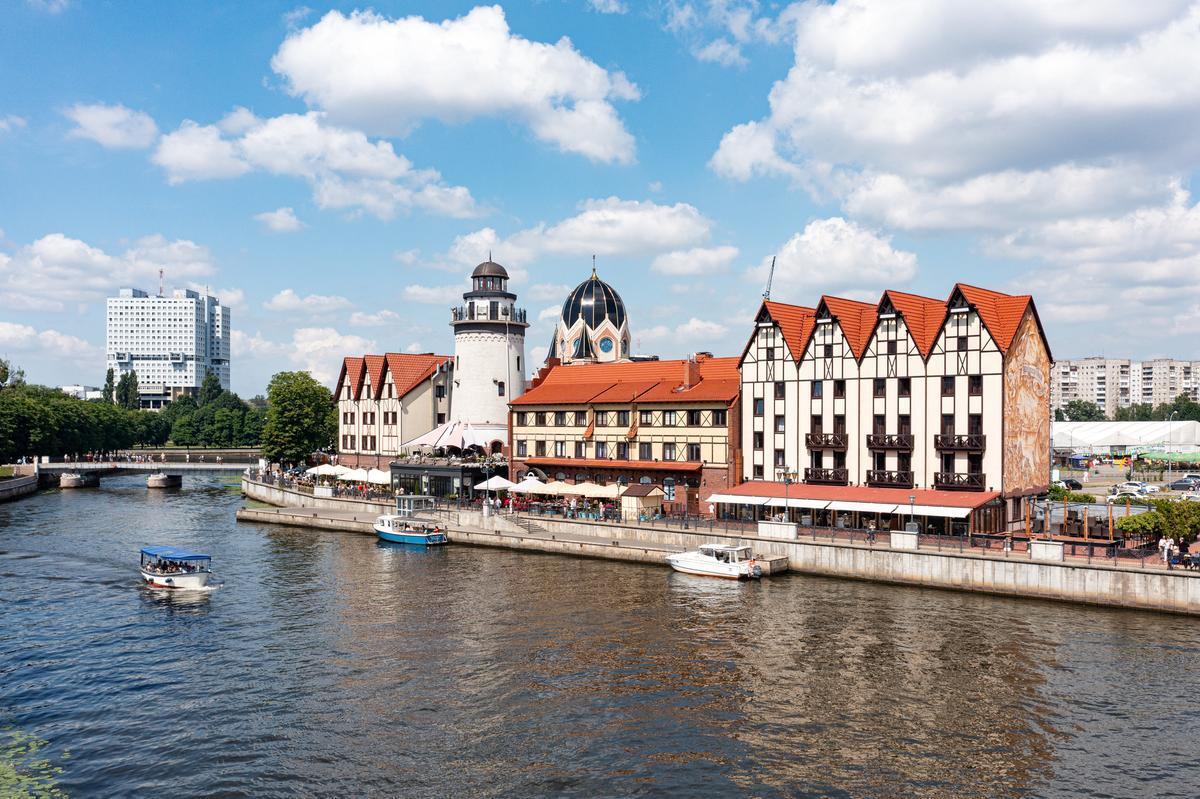
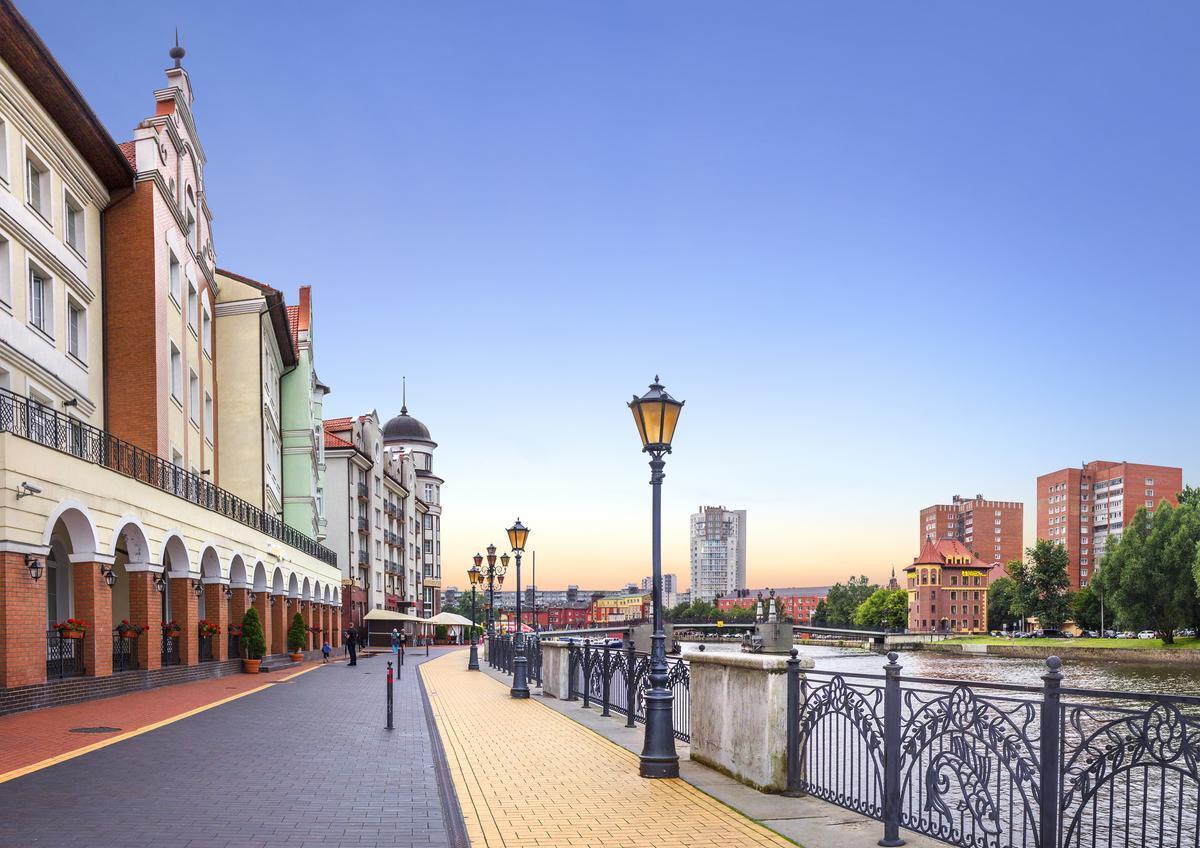
- Fish Village — a modern riverside quarter built in a traditional German style. It’s a popular spot for walking, dining, and river views, with a well-maintained promenade.
What Else to See Nearby
If you’re planning to explore beyond Kaliningrad, here are some notable places in the region:
- Brandenburg Castle — a 13th-century Teutonic castle located in the village of Ushakovo. Once an important stronghold, it is now partially preserved, with ruins of its walls and residential buildings still visible.
- Zelenogradsk (formerly Cranz) — a laid-back seaside resort known for its mud therapy and balneotherapy treatments. The town also offers a long sandy beach, scenic promenade, and nearby pine forests with walking trails.
- Svetlogorsk (formerly Rauschen) — a charming coastal town set among forested hills, with historic architecture and a relaxed atmosphere. It is also known as a balneological resort and a member of the “slow city” movement, promoting a relaxed and unhurried pace of life.
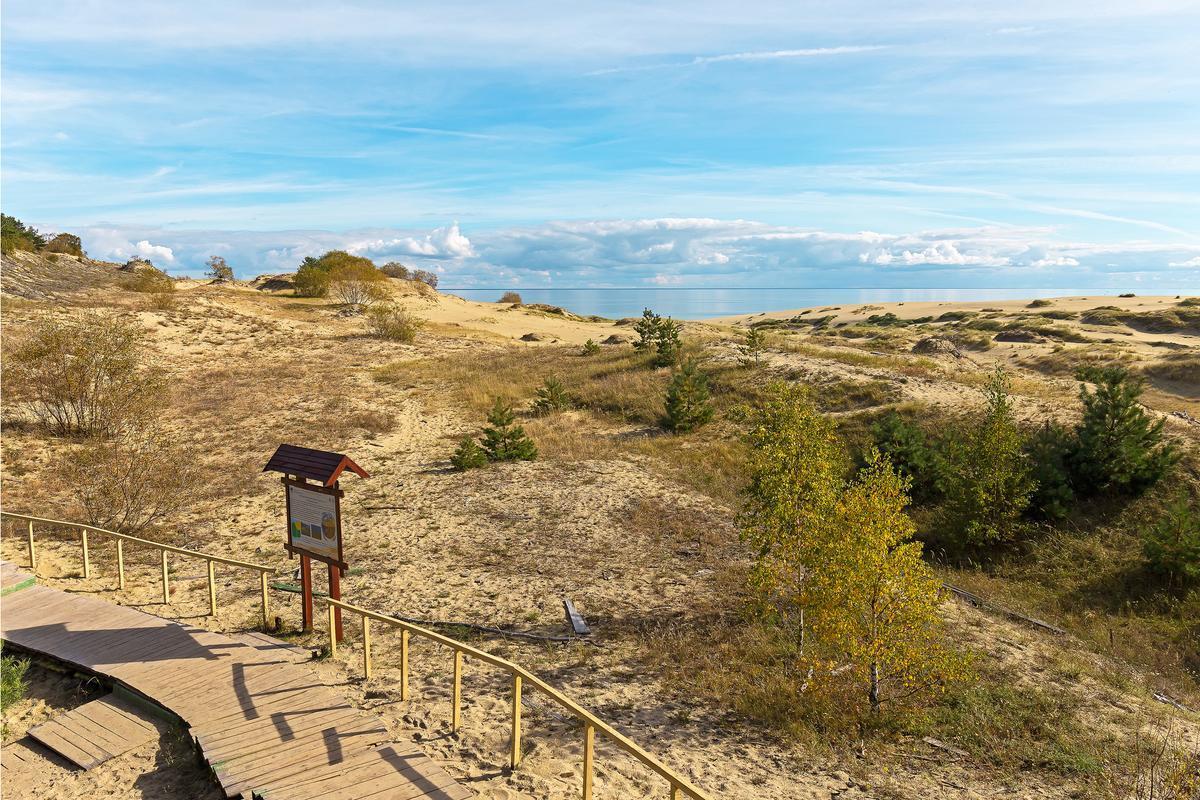
- Curonian Spit — a narrow sand dune peninsula stretching nearly 100 km from Zelenogradsk to Klaipėda in Lithuania. This UNESCO-listed site separates the Curonian Lagoon from the Baltic Sea. Its main natural highlight is the famous Dancing Forest, where pine trees grow in unusually twisted and curved shapes.
Interesting Facts
Kaliningrad has a unique history shaped by centuries of cultural overlap. Here are a few interesting details about the city and the region:
- Kaliningrad is the administrative center of the smallest region in Russia by area. The territory of Kaliningrad Oblast covers just over 15,000 km², including lagoon waters.
- The city is one of the world’s main sources of amber. Around 90% of global amber reserves are concentrated in the Kaliningrad region.
- Kaliningrad operates the westernmost tram system in Russia.
- The ruins of the former Königsberg Castle were demolished in the postwar decades despite public debate. The site has remained largely undeveloped ever since, and discussions about reconstruction have resurfaced multiple times.
- The philosopher Immanuel Kant is buried near the Cathedral on Kant Island (formerly Kneiphof), one of the city’s most iconic landmarks.
- The “Seven Bridges of Königsberg” problem, famously solved by mathematician Leonhard Euler, became one of the foundations of graph theory. It proved that it is impossible to walk across all seven bridges without repeating a crossing.
- Writer E.T.A. Hoffmann, known for inspiring The Nutcracker and the Mouse King, was born in Königsberg (modern-day Kaliningrad).
- Kaliningrad is home to one of the best-known zoos in Russia, originally founded in the late 19th century.
What to Bring Home
A trip to Kaliningrad isn’t just about history and sightseeing — it’s also a chance to bring back unique local souvenirs, many of which are tied to the region’s Baltic identity.
Amber and Amber Jewelry
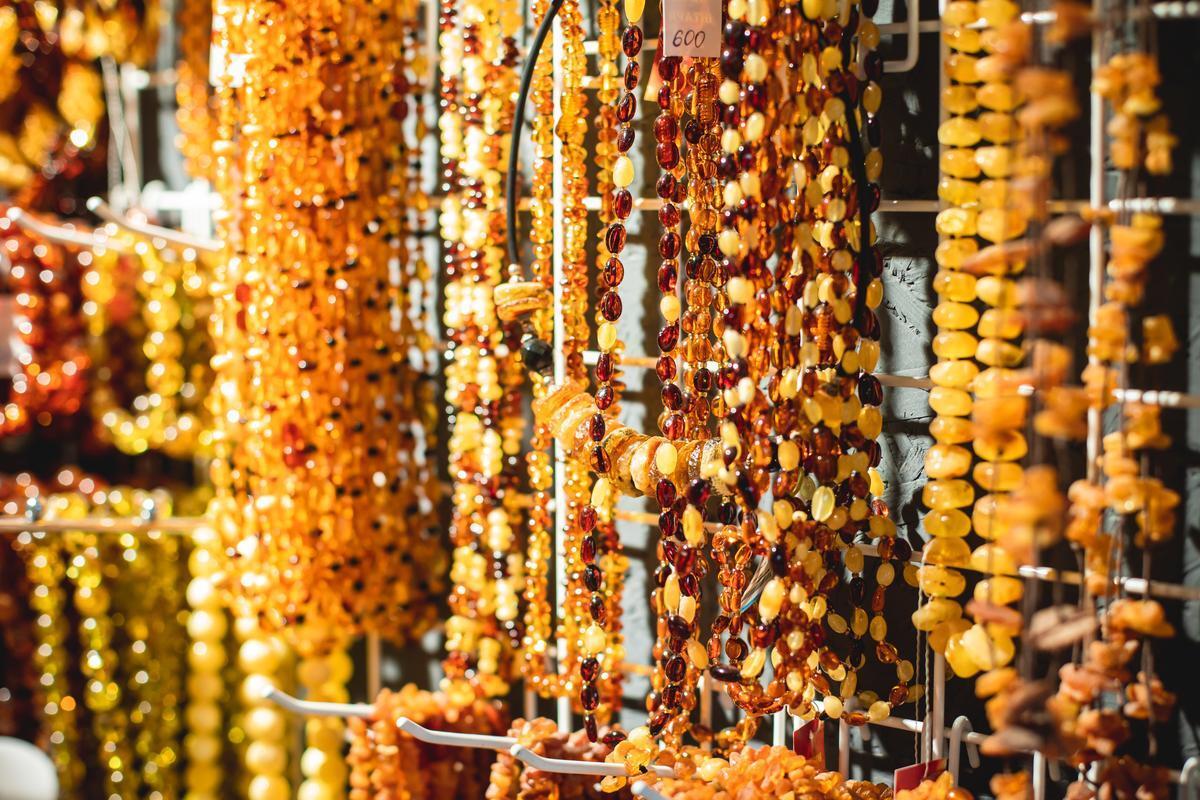
Amber is the most iconic souvenir from Kaliningrad. The region is one of the world’s largest sources of this “sunstone,” and its craftsmanship tradition dates back centuries. In the past, Königsberg was known for its amber workshops and trade across Europe.
Today, you’ll find everything from simple raw amber pieces to handcrafted jewelry, decorative boxes, and small art objects. Many local workshops and official producers offer a wide selection of amber goods, making it easy to find something authentic.
Marzipan
Marzipan is another classic souvenir from Kaliningrad with deep historical roots in Königsberg’s culinary tradition. Brought to Northern Europe from the East, it became especially popular in Germany and was long associated with festive occasions.
Königsberg once had its own renowned marzipan workshops, and the tradition has been revived in modern Kaliningrad. Today you can find marzipan in many forms — chocolate bars, candies, and gift boxes — often made according to historical recipes.

Smoked Fish and Seafood
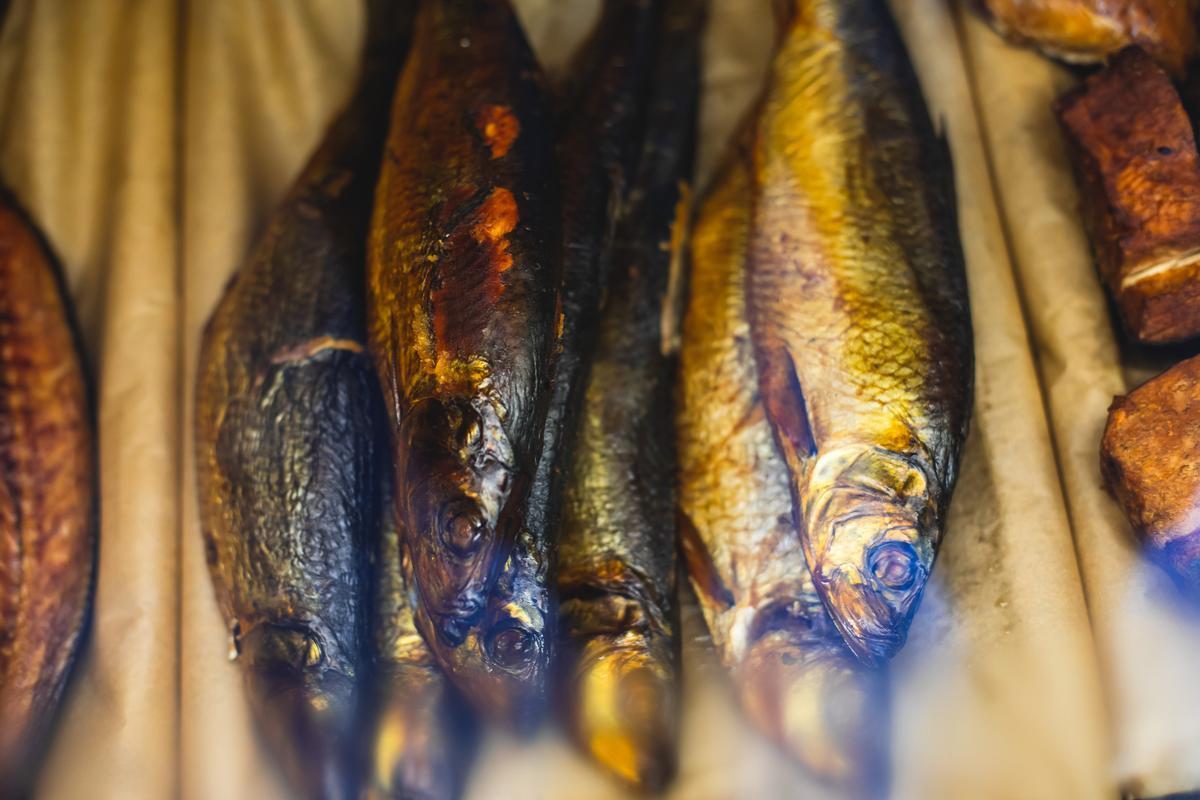
As a Baltic city, Kaliningrad is also known for its smoked fish. Local specialties include sprats, Baltic herring, smelt, and smoked eel.
Sprats, in particular, are a regional classic — small smoked fish preserved in oil and widely available in local markets. Smelt is another favorite, known for its delicate flavor and distinctive cucumber-like aroma. Smoked eel is considered a delicacy, with a rich, slightly sweet taste and tender texture.
Freshly smoked fish is often sold in coastal areas, making it a popular edible souvenir.
Tilsiter Cheese
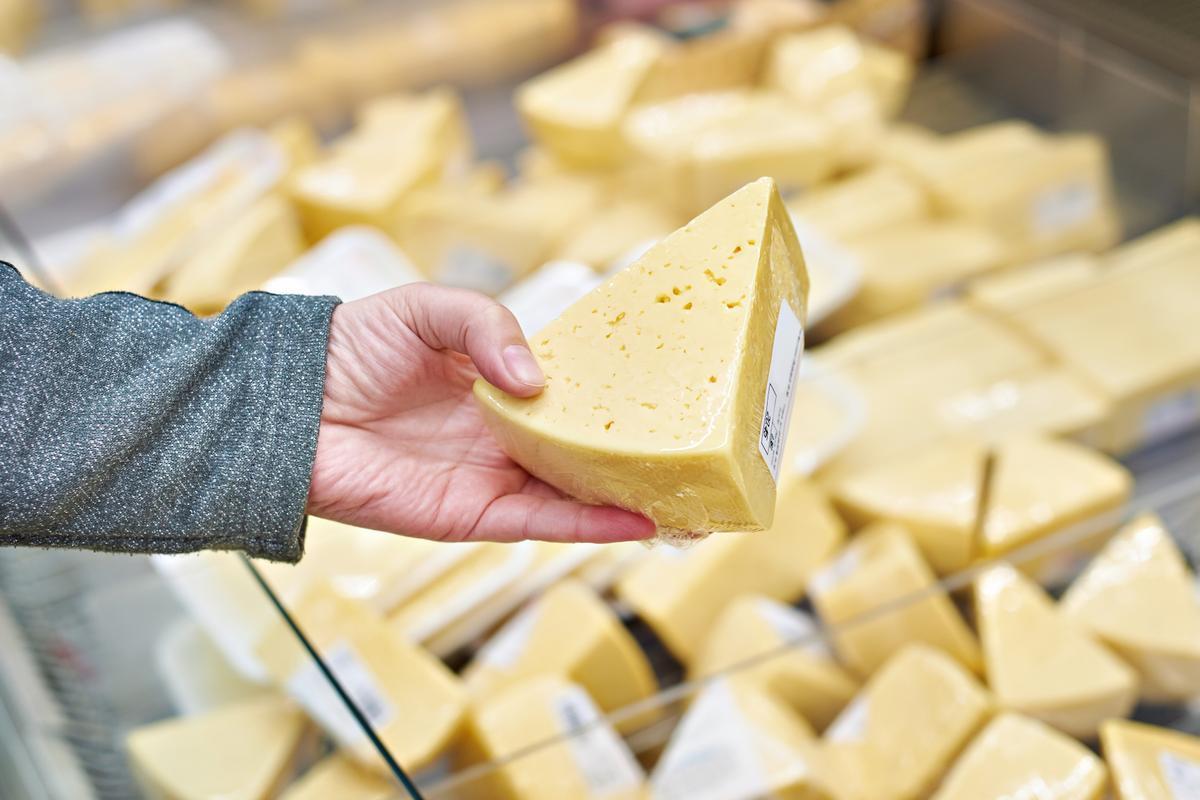
Tilsiter is one of the most recognizable cheeses associated with the region. It originated in the historic town of Tilsit (now Sovetsk), where cheese-making traditions developed in the 18th–19th centuries under strong European influence.
The cheese has a slightly tangy, mildly spicy flavor and remains a popular product in Kaliningrad today. You can easily find locally produced versions that stay close to the traditional recipe.
Homlins and Local Souvenirs
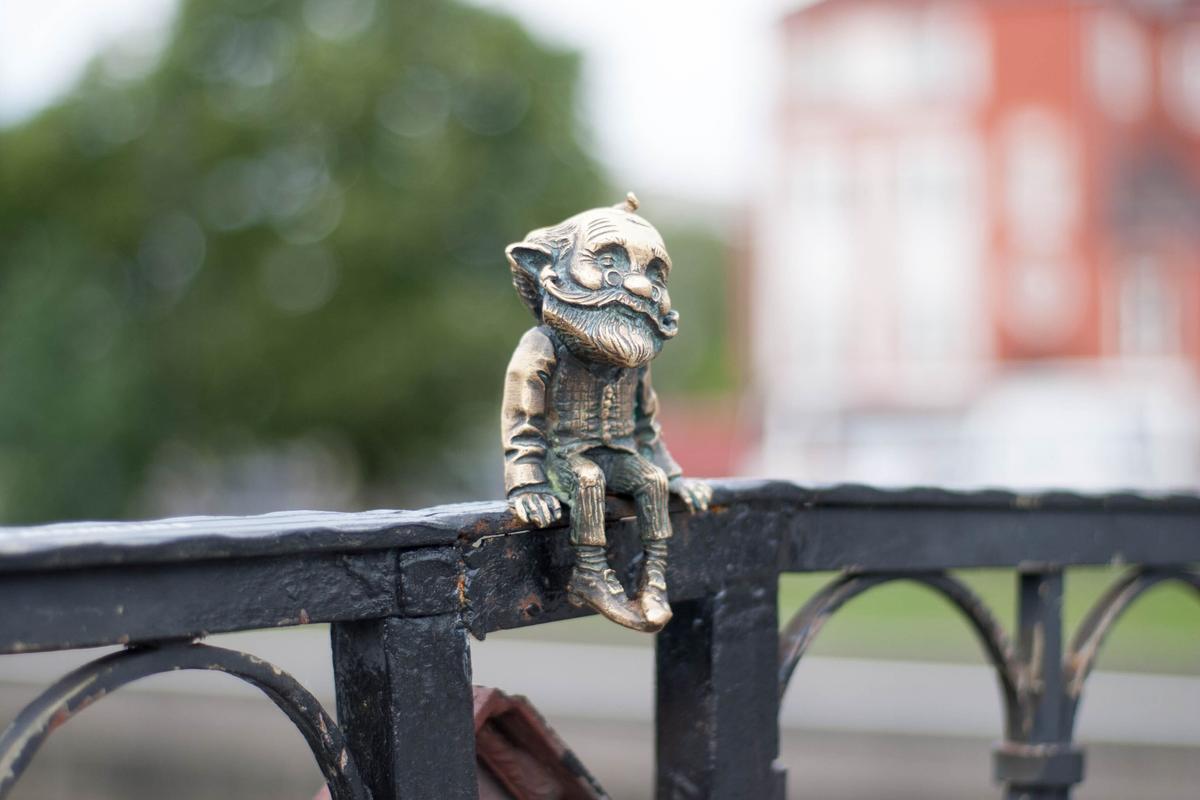
For something more whimsical, Kaliningrad is famous for its Homlins — small bronze figurines of fairy-tale-like creatures created by local artists. Each Homlin has a story and can be found in different locations around the city, turning souvenir hunting into a kind of urban treasure hunt.
In addition, souvenir shops offer postcards, maritime-themed gifts, glass art, and nautical souvenirs such as striped shirts and sailor caps. Seasonal markets often feature handmade crafts and small local artworks, especially during winter holidays.
Plan Your Trip to Kaliningrad
Kaliningrad is a destination unlike anywhere else in Russia — a place where Baltic coastlines, Prussian heritage, and Russian culture come together in one compact region.
Whether you’re drawn to historic architecture, coastal landscapes, or unique local traditions, the city and its surroundings offer plenty to explore year-round.
The easiest way to experience Kaliningrad is as part of a well-planned trip with organized tours that include key sights, nearby coastal towns, and the Curonian Spit.
Explore available tours to Kaliningrad and the surrounding region, and find the itinerary that best matches your travel style.