 Our Chinese department:


Getting to Know Vladivostok
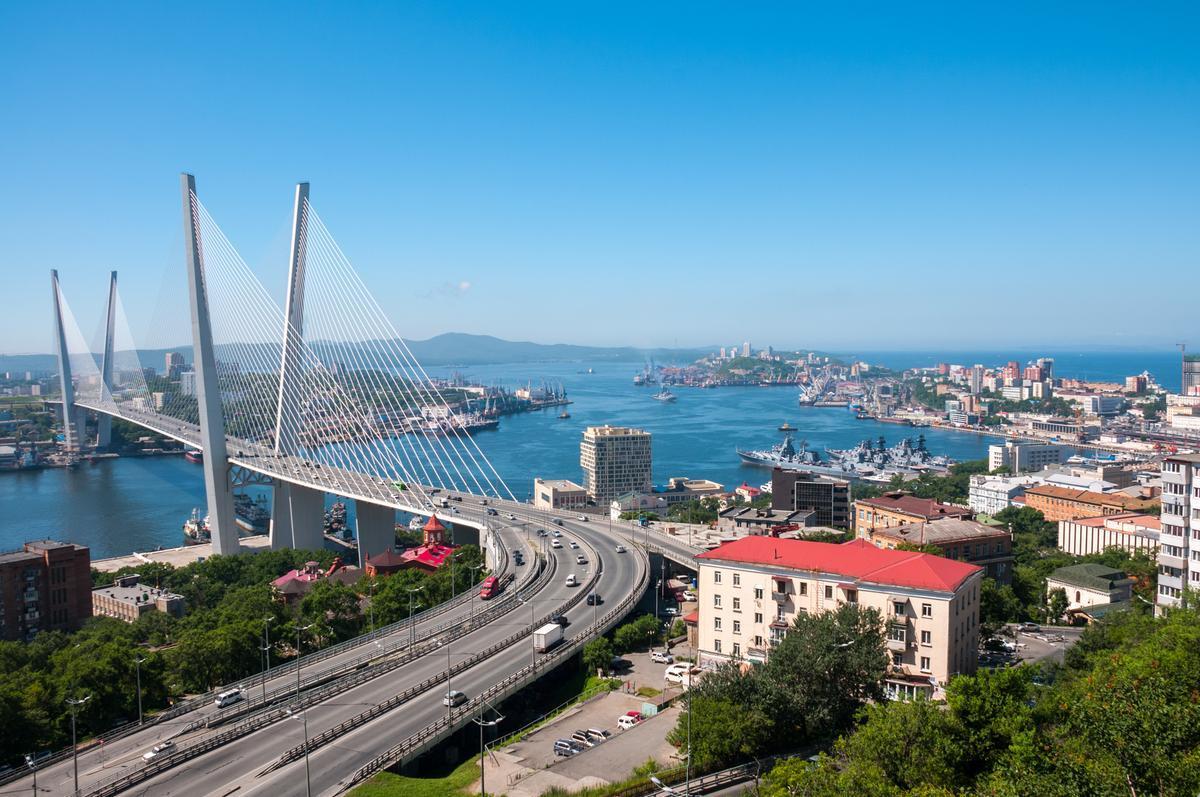
Vladivostok sits on the Muravyov-Amursky Peninsula in Russia's far southeast. The city stretches 30 km from north to south and is divided into 5 districts, covering a total area of 326 km². The municipality includes around fifty islands and several nearby settlements, with a population of roughly 600,000. Vladivostok's history dates back to 1860.
History
Manchurian tribes lived along these Pacific shores as early as the first centuries AD. After their ancient states were destroyed by nomadic invaders, the Manchus left the region, and their former lands lay largely deserted until the 19th century.
The Amur region became part of the Russian Empire in the late 1850s, as a result of diplomatic mission led by Nikolai Muravyov, Governor-General of Eastern Siberia, later known as Muravyov-Amursky. The subsequent Convention of Peking confirmed Russia’s territorial gains over the left bank of the Amur and the coastal Primorye territories. Shortly before the convention was signed, Russia had already begun building a military fort at the southern tip of the mainland, on Golden Horn Bay — a settlement that would be named Vladivostok. This marked the beginning of what would become the capital of Primorsky Krai.
The first residents of Vladivostok were Russian soldiers, who landed here to build barracks and munitions and supply depots. It was Muravyov-Amursky himself who named the bay — its shape reminded him of the famous Golden Horn in Istanbul.
Vladivostok was destined to become Primorye's main seaport, and civilians arrived just a year after the fort was founded, at the same time as the Semyonov merchant family relocated here from Nikolaevsk-on-Amur. Still, civilian settlement grew slowly at first: the future city was cut off from the mainland by wild Siberian rivers and vast stretches of Ussuri taiga, reachable only by sea. Houses were constructed in a disorganized way, with paths between trees served as streets. Even so, two decades after its founding, Vladivostok was officially granted city status, by which time its population had reached about 7,000.
What truly made Primorye's capital more accessible was the Trans-Siberian Railway — its most difficult section stretched from Chelyabinsk to Vladivostok. Railway service started in the early 20th century, and once the Circum-Baikal section was completed, direct rail service from St. Petersburg became possible without changing trains. As the city became accessible, its population grew rapidly, drawing not only Russians but Europeans, Asians, and Americans as well.
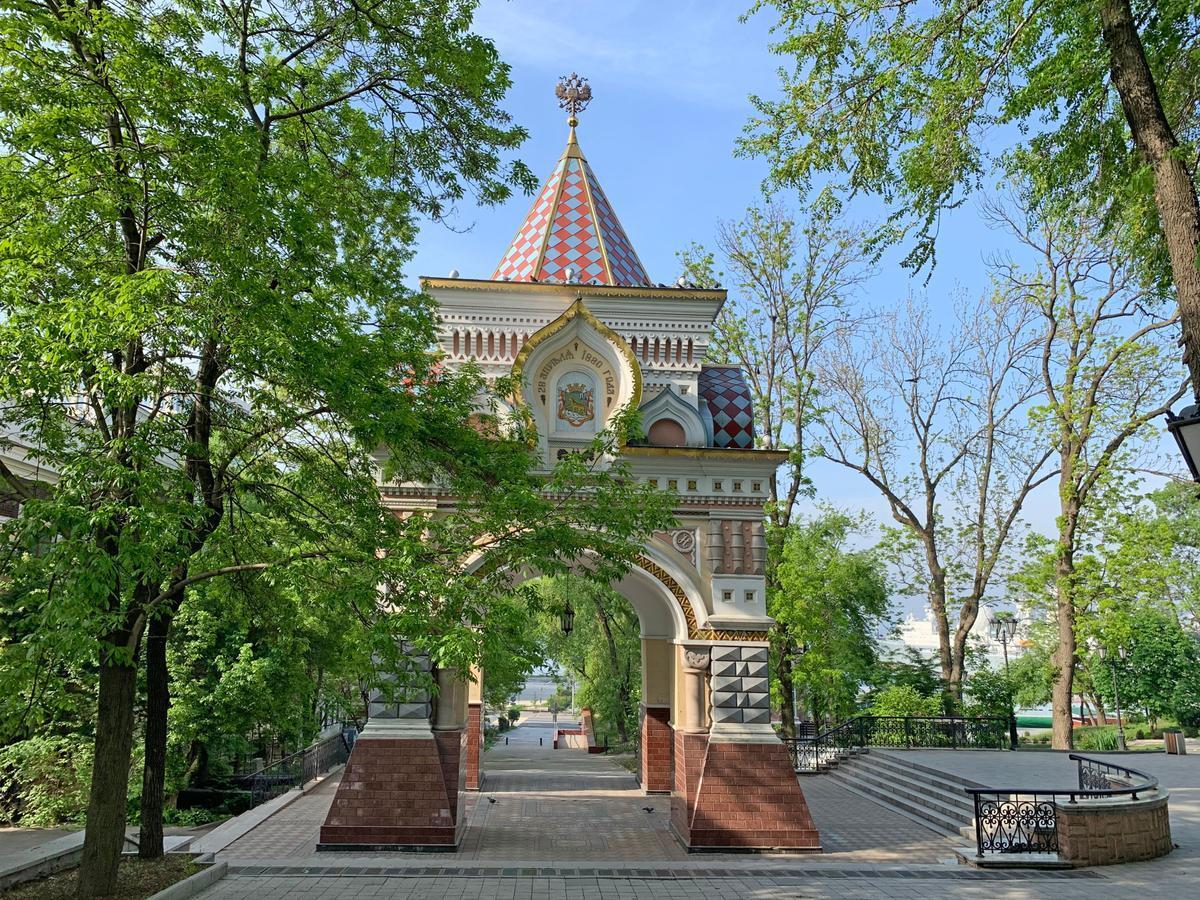
Members of the imperial family and Russia's aristocracy visited Vladivostok on several occasions. In the early 1890s, a Triumphal Arch was built to commemorate the visit of Tsesarevich Nicholas Alexandrovich (the future Nicholas II). Trade flourished, and the city gained a public library, a theater, and an institute. By the eve of World War I, the population had swelled to roughly 100,000.
Vladivostok witnessed the tragic naval defeat in the Russo-Japanese War and endured the turbulent post-revolution years — most enterprises shut down, and foreign forces looted the city as they withdrew. During World War II, spared from direct combat, the city processed supplies received through the Allied Lend-Lease program.
In the mid-20th century, under Nikita Khrushchev, Vladivostok's infrastructure was rebuilt: new residential buildings, public transit lines, a sea terminal, and research and cultural institutions all appeared. For four decades the city operated under closed-territory status, lifted only after the collapse of the USSR.
The 2012 APEC Summit, held on Russky Island, significantly boosted Vladivostok’s development — bringing the city its now-famous bridges, a university campus, five-star hotels, an oceanarium, an opera and ballet theater, and much more.
Climate
Vladivostok's climate is shaped by monsoons — powerful seasonal winds that change direction twice a year. In summer they come from the ocean, bringing humidity and rainfall, while in winter they shift to blow from the mainland, giving the city dry and fairly cold winters. Despite this seasonal swing, Vladivostok's climate is considered one of the most favorable climates in the Russian Far East.
Winter arrives as early as November and lasts through the end of March, typically bringing dry, frosty, clear weather. December and January are the coldest months, though average daily temperatures rarely drop below –10°C (14°F). Winter here occasionally brings freezing rain — an unusual sight for many visitors.
Summer doesn't really begin until late June, and its first half offers little warmth: expect cool, overcast days with light drizzle. By late July temperatures rise noticeably, winds pick up, and heavy downpours become common. August is the warmest month, with temperatures pushing close to 30°C (86°F) — and also the busiest time on the city's cultural calendar.
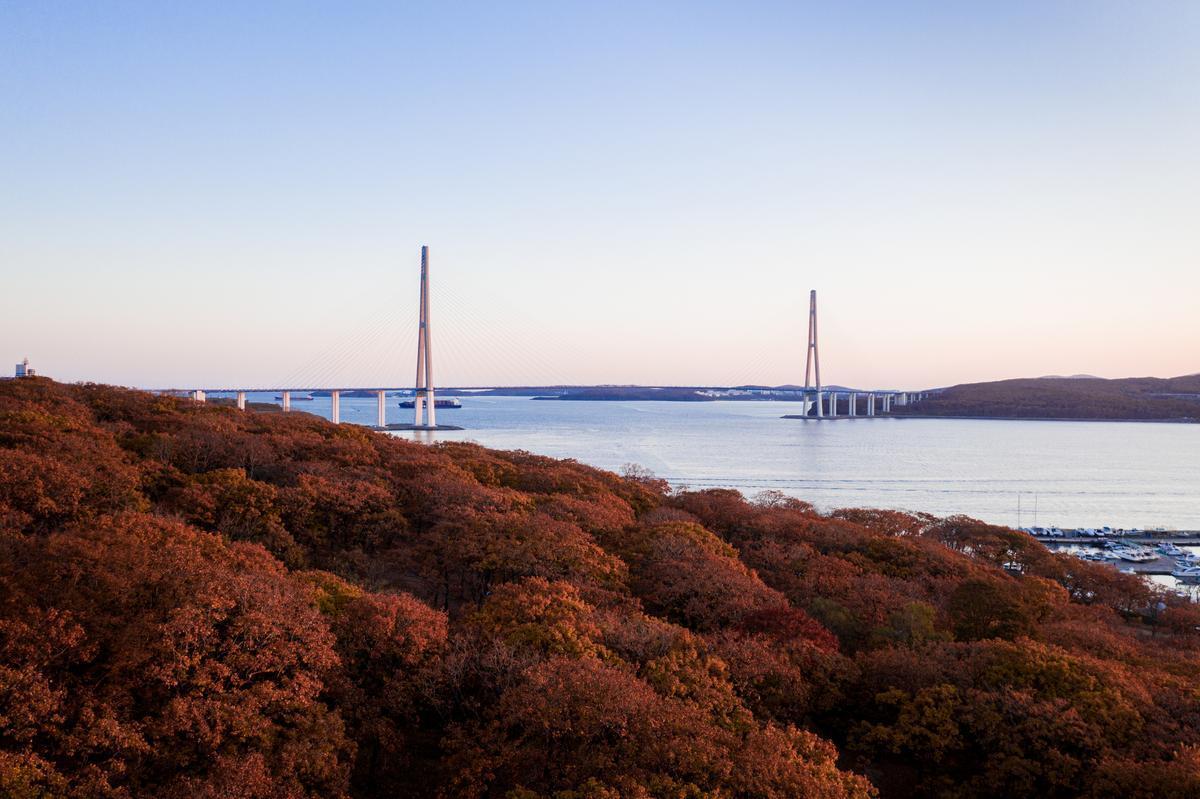
Autumn follows, and in Primorye it's genuinely stunning. October dresses the city's parks in gold and crimson, the air turns still, and the islands are often covered in soft mist. But this calm season is short-lived — the first frosts arrive in Vladivostok by mid-November.
Tips for Travelers
Knowing where the main sights are in advance, which restaurants are worth visiting for dinner, and what souvenirs to bring home can save you a lot of time.
What to Pack
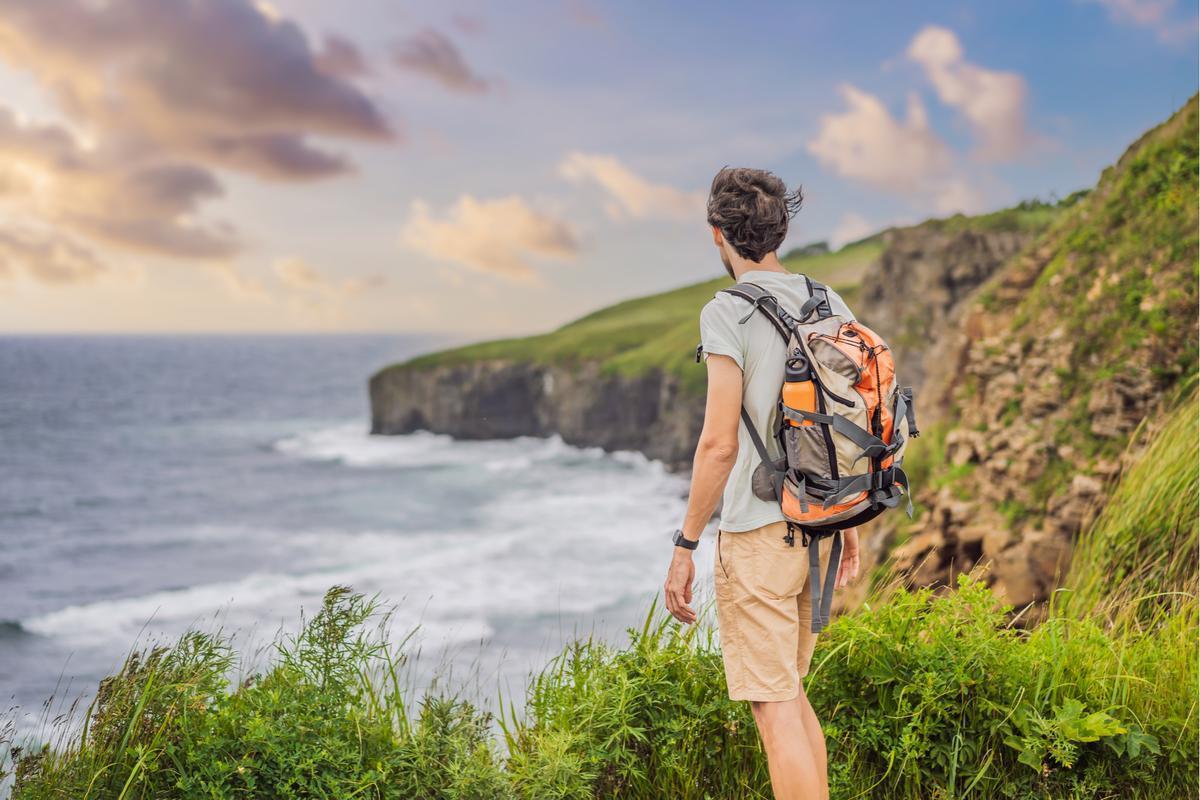
As with any trip, comfortable, season-appropriate clothing and footwear are essential in Vladivostok. Pack a range of items so you can layer up or down as needed. Humidity is usually high here, and if you plan to explore areas outside the city, water-resistant shoes and clothing are a must year-round. A jacket to block the ocean wind is strongly recommended for any trip to Primorsky Krai — a windbreaker will do in summer, while winter calls for proper membrane clothing and boots. If you're visiting in summer, especially August, don't forget beach essentials: a swimsuit, sunglasses, a sun hat, and sunscreen.
Getting Around
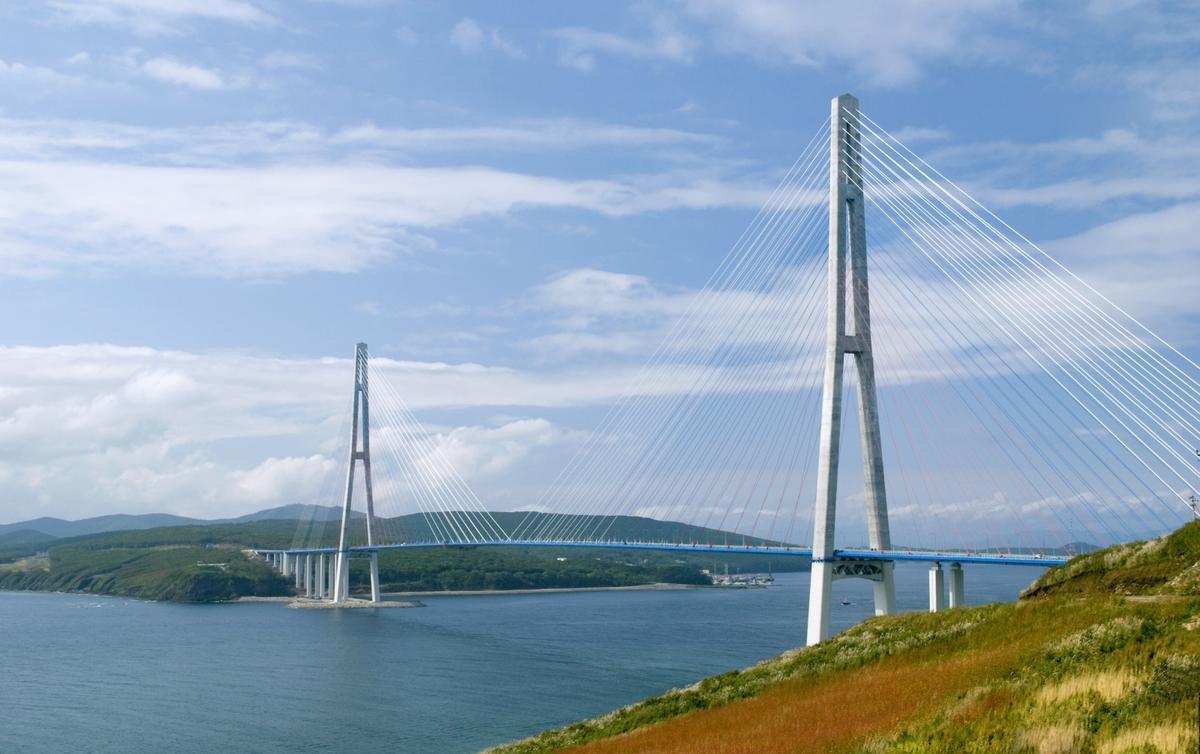
Vladivostok has trolleybus and tram lines, but buses are the main way to get around the city, with routes covering most districts. Since the construction of the cable-stayed bridge across the Eastern Bosphorus Strait, it's now even possible to reach Russky Island by bus.
Taxis are a convenient way to get around downtown — and a quite affordable one, too. Boats and ferries also run to Vladivostok's remote areas and nearby islands.
What to Eat
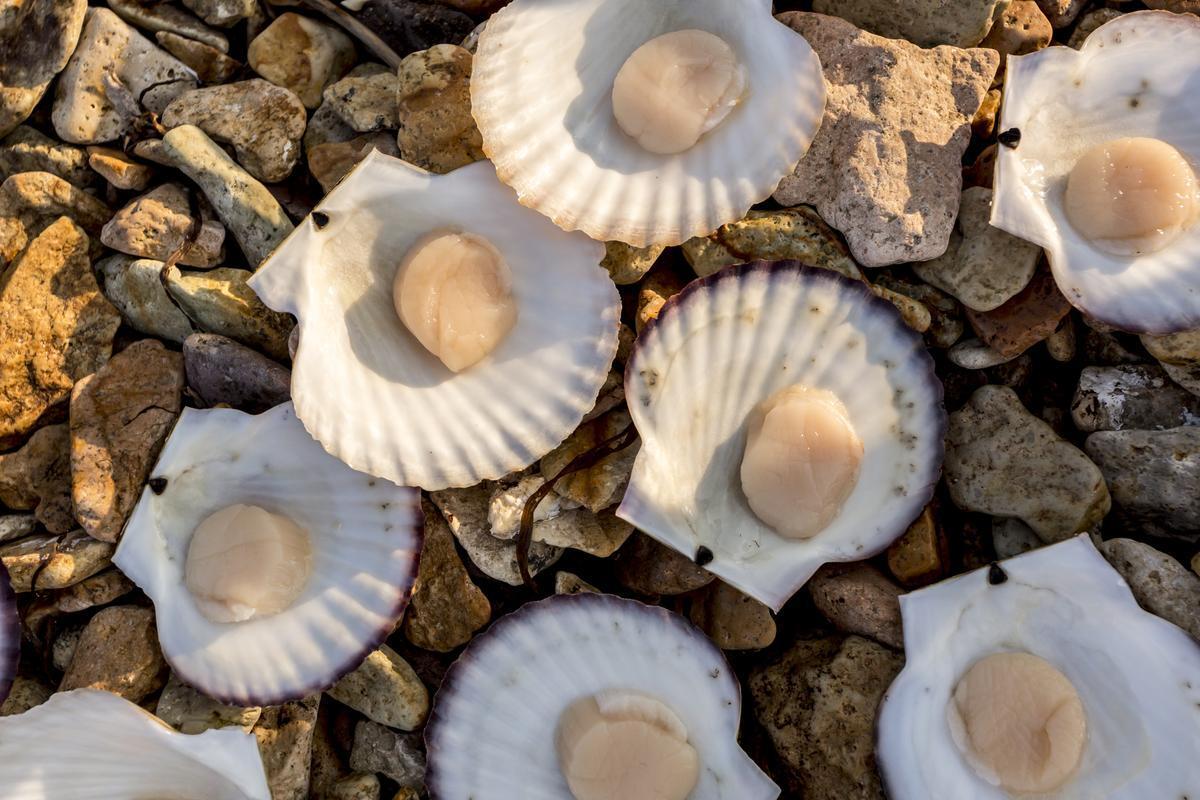
Primorye sits at the crossroads of European and Asian cultures, and that shows on local menus, which feature exotic dishes from the cuisines of neighboring Japan, China, and Korea. But the real stars for visitors have always been the seafood: crab, fish, mussels, caviar, and scallops, all remarkably fresh. Even classic dishes get a local twist here — think chebureki, khinkali, or shawarma stuffed with crab meat. Food lovers go straight for crab legs, which local restaurants stew, fry, or roast with all kinds of spices.
Scallops are Primorye's second-favorite seafood — demand is so high that they're now farmed locally. Another local favorite is the "medvedka" shrimp, a striking crustacean about twice the size of a large shrimp. For the truly adventurous, restaurants also serve sea urchin roe and trepang (sea cucumber) meat.
Vladivostok's street food scene is famous for pyanse — steamed buns filled with cabbage and meat. You'll find this hearty snack almost everywhere: at kiosks, street stalls, and grocery stores. The recipe was originally brought to the Russian Far East by Koreans, first popularized on Sakhalin before spreading across the entire region.
Locals have their own slang for eating Chinese food — "chifanit'" — and affectionately call Chinese eateries "chifanki." Another local treat worth trying: Wawa cakes, yeast-dough doughnuts filled with sweetened condensed milk.
Top Sights
As you explore Vladivostok, here are some of the city's most fascinating landmarks.
Eagle's Nest Hill
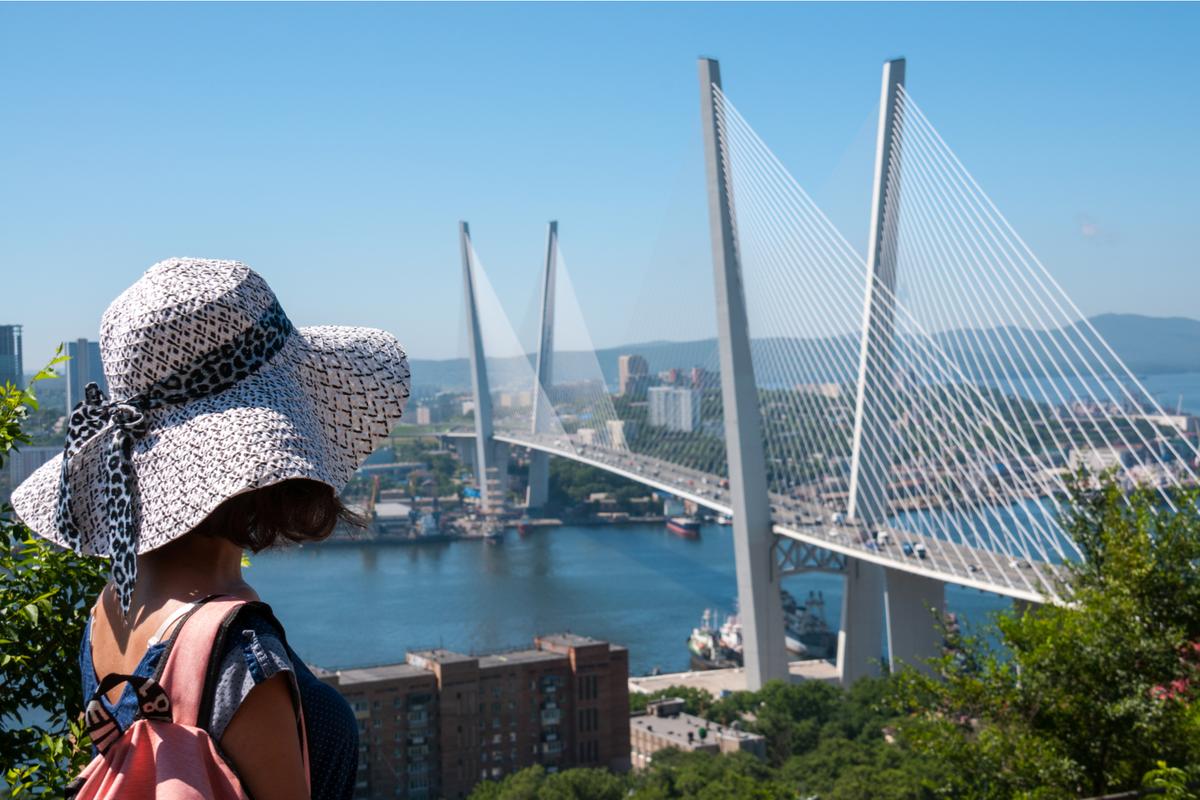
Vladivostok's highest point sits atop Eagle's Nest Hill (Orlinoye Gnezdo). Its slopes are dotted with buildings both historic and modern, while the summit is crowned by an observation deck. From a height of about 200 meters, you'll get a stunning view over Golden Horn Bay, the cable-stayed bridge, and the coastline of Russky Island. The hilltop is also home to a monument to Cyril and Methodius, the creators of the Slavic writing.
Fighters for Soviet Power Square
Construction of Vladivostok's central square began in the 1960s on the site of a former city garden. Its centerpiece is a monument to the Fighters for Soviet Power, featuring a standard-bearer statue atop a granite pedestal, dedicated to Far Eastern revolutionaries. The surrounding architectural ensemble also includes:
- A Soviet-era administrative building from the 1980s
- The historic Katchan Mansion, dating to the early 20th century
- A monument marking Vladivostok's status as a City of Military Glory
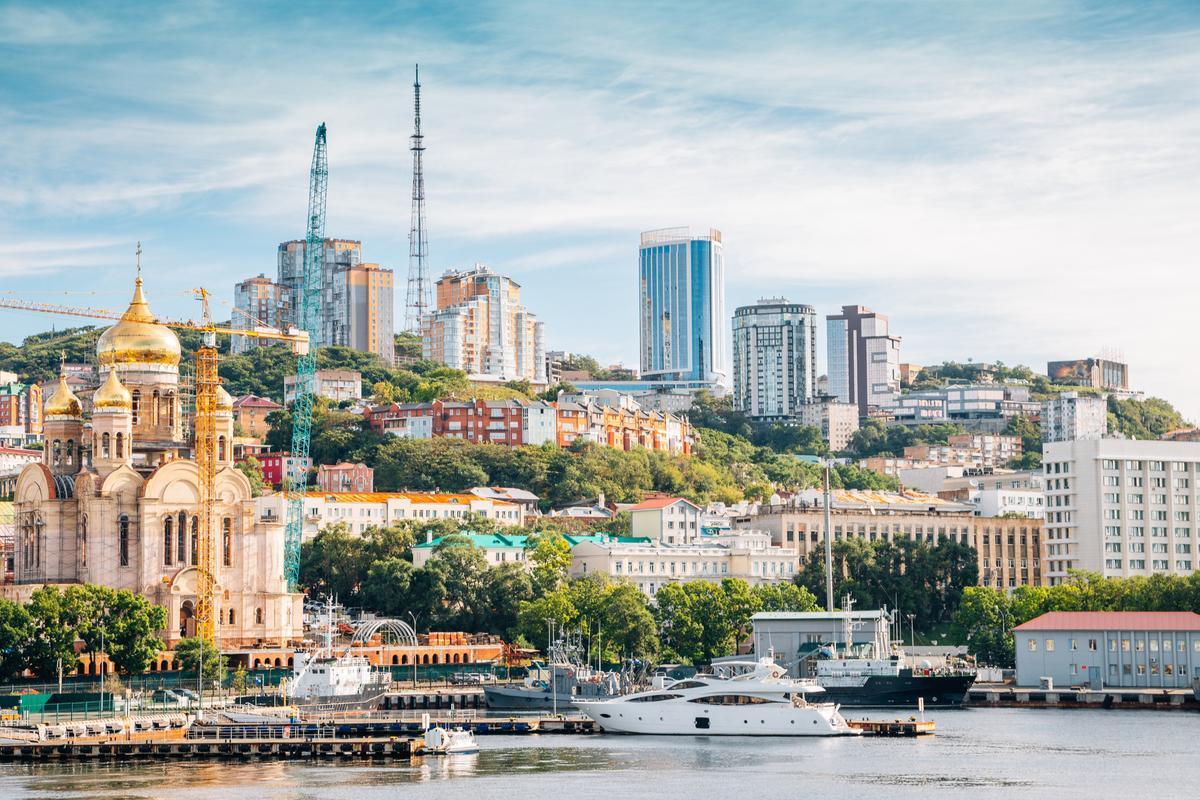
- The Spaso-Preobrazhensky (Transfiguration) Cathedral
Triumphal Arch of Tsesarevich Nicholas
The Nikolaevsky Triumphal Gate, better known as the Tsesarevich's Arch, was built in 1891 to commemorate a visit by the heir to the Russian throne. Demolished during the Soviet era, it was faithfully rebuilt from original blueprints in the early 2000s. Facing all four cardinal directions, the structure was built in the traditional Russian style, richly decorated with ornamental details. The kokoshnik-shaped gables are adorned with symbols of the city and region — one of them features an image of St. Nicholas.
S-56 Submarine (Pacific Fleet Military History Museum)
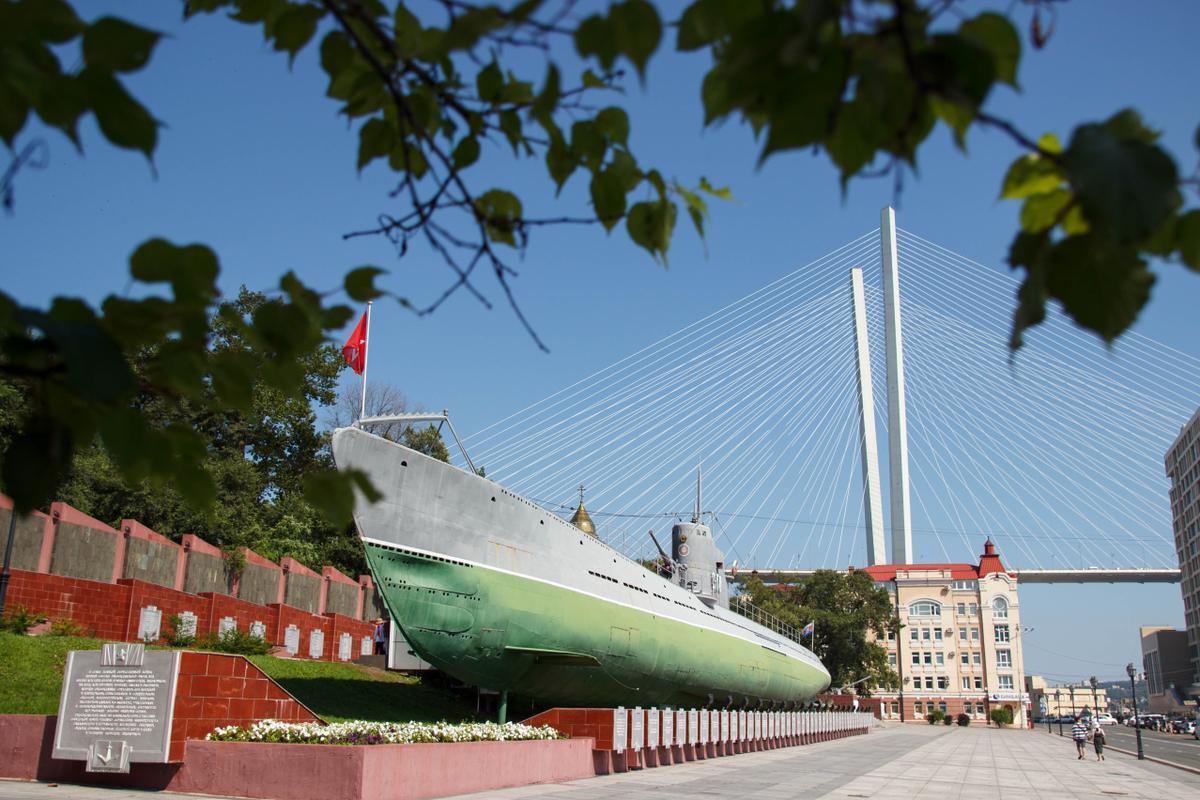
Vladivostok is home to a museum housed inside an actual submarine. The S-56 sailed the Pacific during World War II, taking part in combat operations. On the 30th anniversary of Victory Day, the submarine was given a place of honor on Korabelnaya Embankment, becoming part of the "Combat Glory of the Pacific Fleet" museum complex. The exhibits trace the storied history of the S-56 and its crew, and three of the vessel's seven compartments still contain original submarine equipment and machinery.
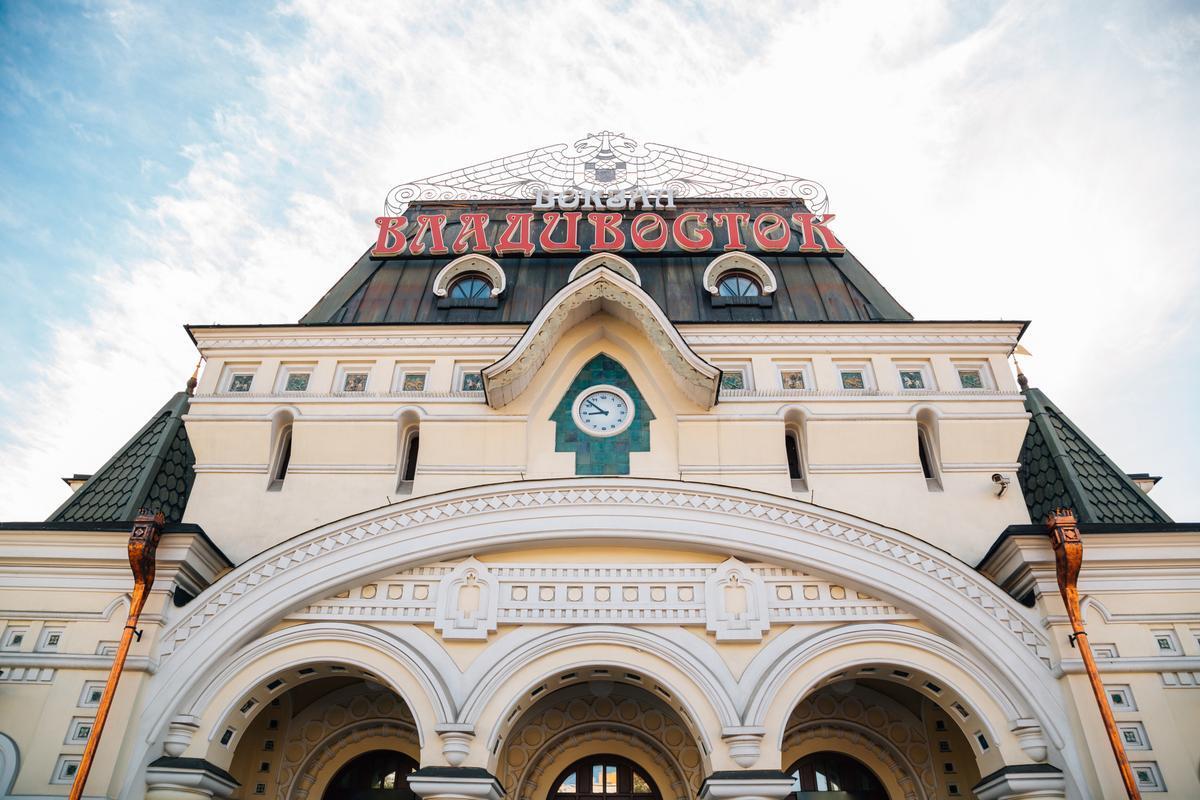
Railway Station
Vladivostok's railway station building is an architectural landmark dating back to the late 19th century. This is where trains began arriving once the final stretch of the Trans-Siberian Railway was completed. The event is commemorated by the "End of the Trans-Siberian Railway" monument, standing on the spot once marked by a sign reading "9288" — the exact number of kilometers separating this post from its twin at kilometer zero, located at Yaroslavsky Station in Moscow.
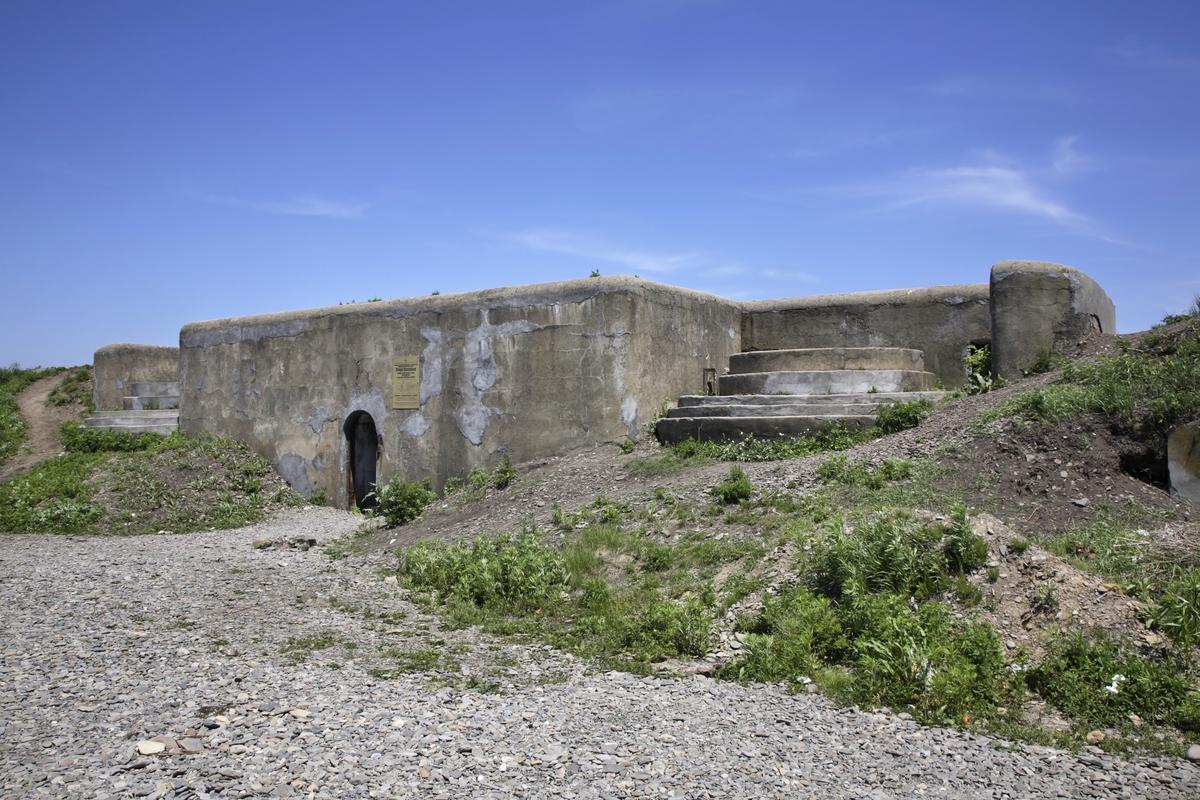
Vladivostok Fortress
Vladivostok Fortress ranks among the largest coastal defense complexes in the world. Its forts were built between the late 1880s and 1917. The fortress included around fifty coastal batteries and roughly fifteen forts. In the late 20th century, a museum dedicated to the fortress's history opened inside the walls of Bezymyannaya Battery.
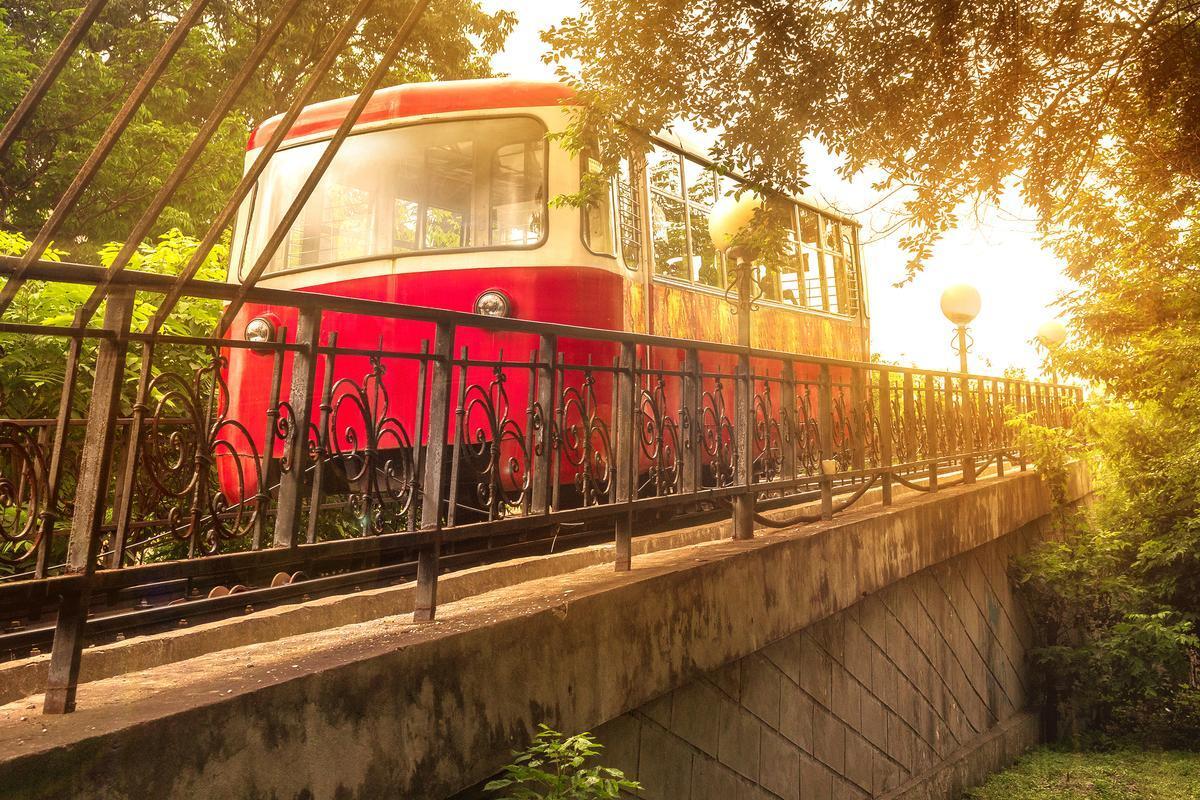
Funicular
In spring 1962, as part of Vladivostok's broader infrastructure development, a funicular railway was built in the city center. The line, just over 180 meters long, climbs the slope of Eagle's Nest Hill up to Sukhanova Street. Two funicular wagons shuttle passengers up and down; the wagons, manufactured at a factory in Leningrad, are still in service as public transport today.
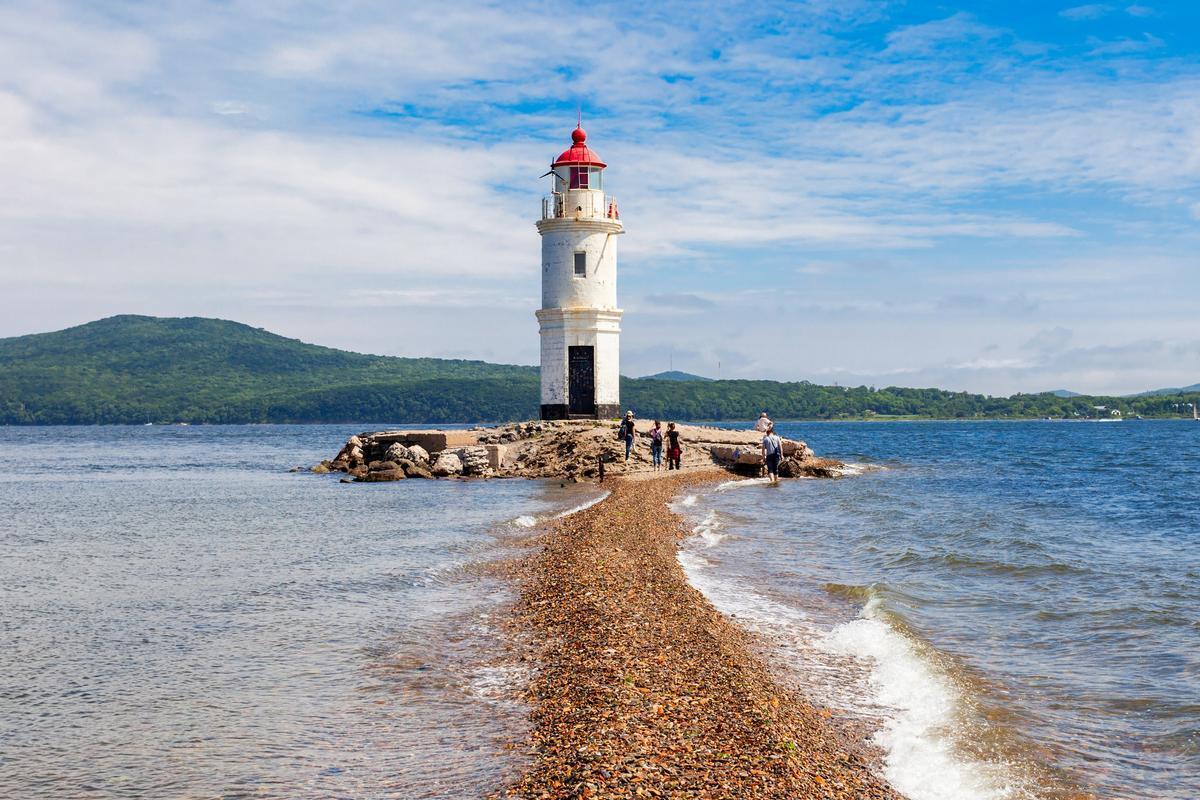
Tokarevsky Lighthouse
Tokarevsky Lighthouse is one of the oldest lighthouses in Russia's Far East and a true symbol of Vladivostok. Standing 11.5 meters tall at the end of a rocky spit, it was built in 1910 to guide ships through the Eastern Bosphorus Strait, replacing a 19th-century navigational marker. The lighthouse is named after Captain Mikhail Tokarevsky and remains remarkably well preserved in its original form to this day.
Cable-Stayed Bridges
Of Vladivostok's four bridges, two are cable-stayed structures — the Russky Bridge and the Zolotoy (Golden) Bridge. Both were built ahead of the 2012 APEC Summit. The Russky Bridge, over 3 km long, spans the Eastern Bosphorus Strait, connecting the city to Russky Island, while the Zolotoy Bridge stretches 2,100 meters across Golden Horn Bay.
Glass Beach (Steklyannaya Bay)
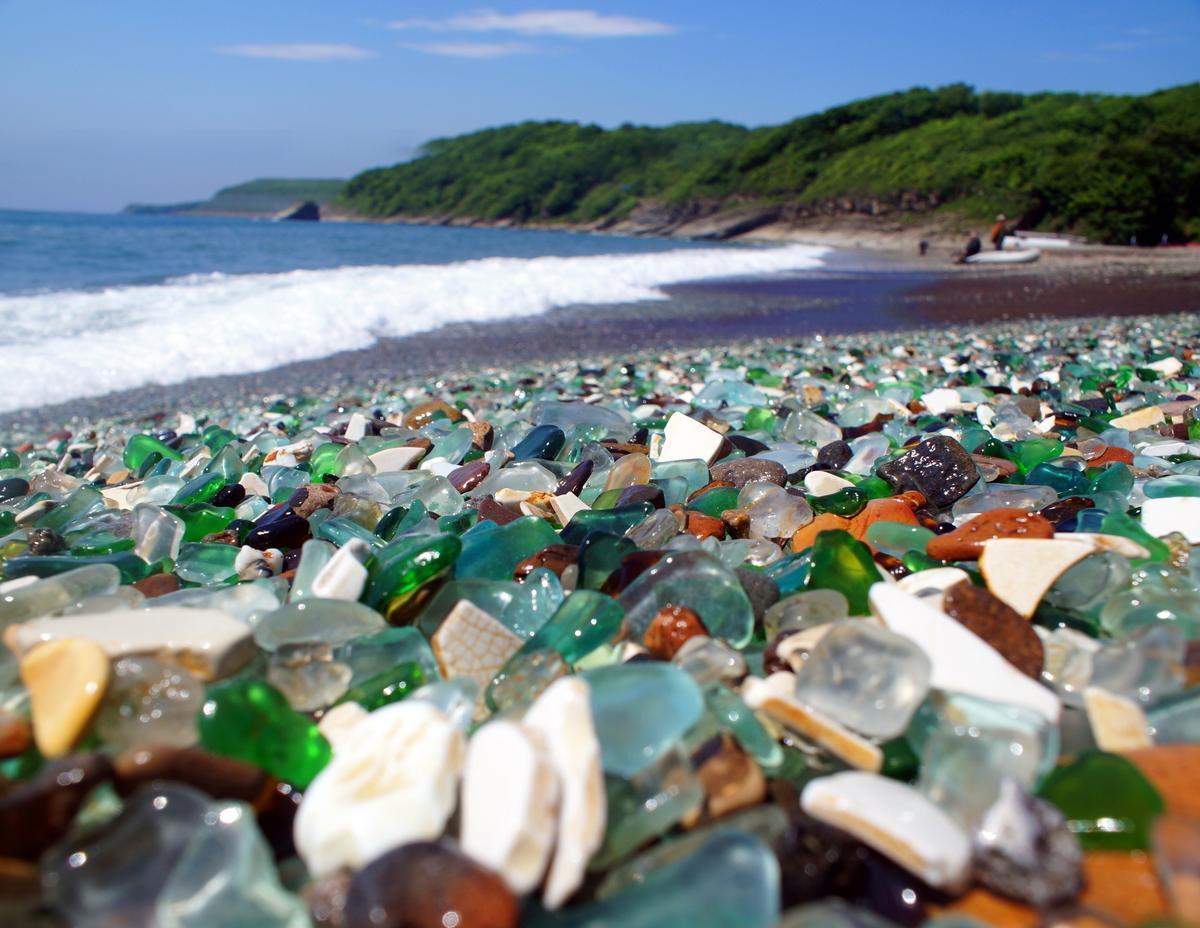
On the eastern edge of the city, along the shore of Ussuri Bay, lies one of Vladivostok's most unusual sights: a beach covered in colorful sea glass. For years, broken glass bottles and shards of crockery from a nearby dump washed into the ocean, where the waves and currents gradually smoothed them into tiny, colorful pieces of sea glass. The result is a beach unlike any other — and the fitting name it earned, Steklyannaya, meaning "Glass Bay."
Millionka
Vladivostok has its own historic Chinatown, formed in the late 19th and early 20th centuries. Before the Russian Revolution, more than 50,000 Chinese residents lived along the shores of Amur Bay in this district. Nearly a century later, the former Chinese quarter has kept its authentic character and distinctive atmosphere, drawing both locals and visitors alike. Today it's filled with eclectic old buildings, contemporary street murals, and Asian restaurants with a distinctly Primorye twist.
Primorsky Safari Park
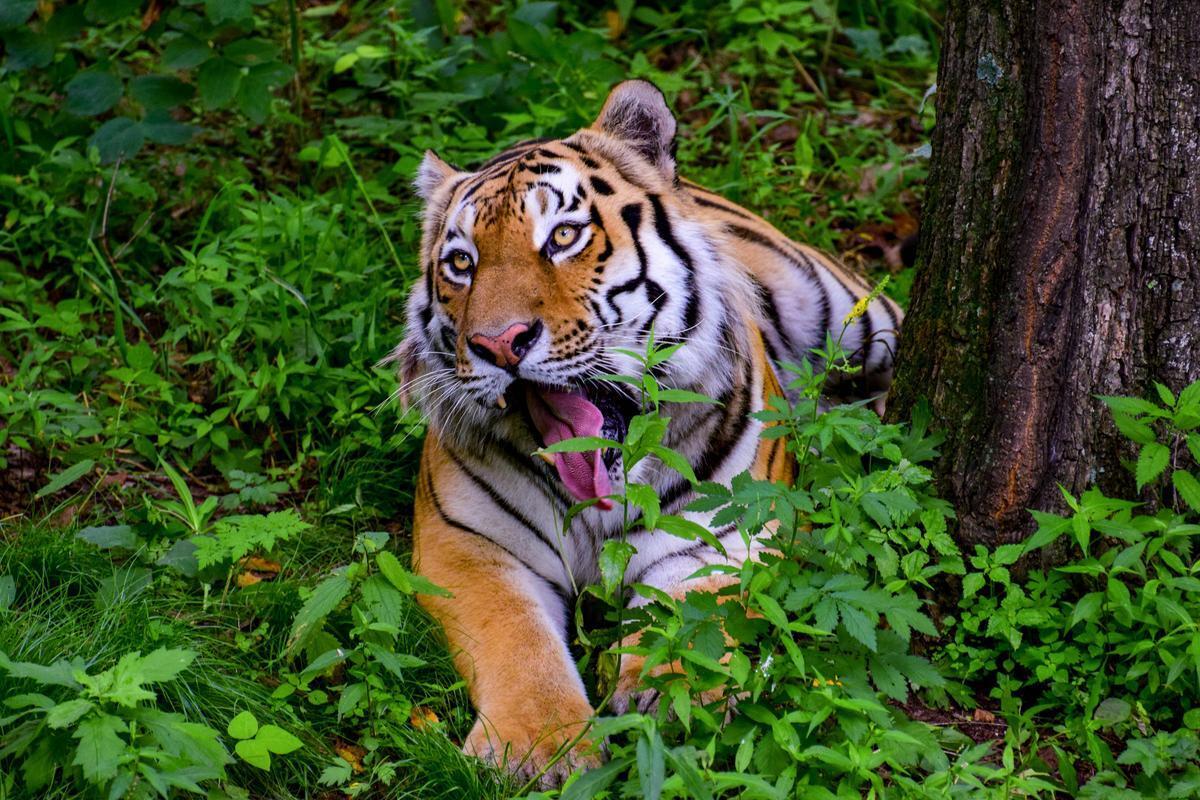
About 70 km from Vladivostok, near the village of Shkotovo, you'll find a safari park home to Amur tigers and other native Far Eastern wildlife. Founded in 2007 as a private initiative, the park occupies a stretch of untouched Ussuri taiga where animals roam freely and visitors observe them from elevated walkways. This is where Amur the tiger and Timur the goat — an unlikely friendship that made global headlines — formed their famous friendship.
Russky Island
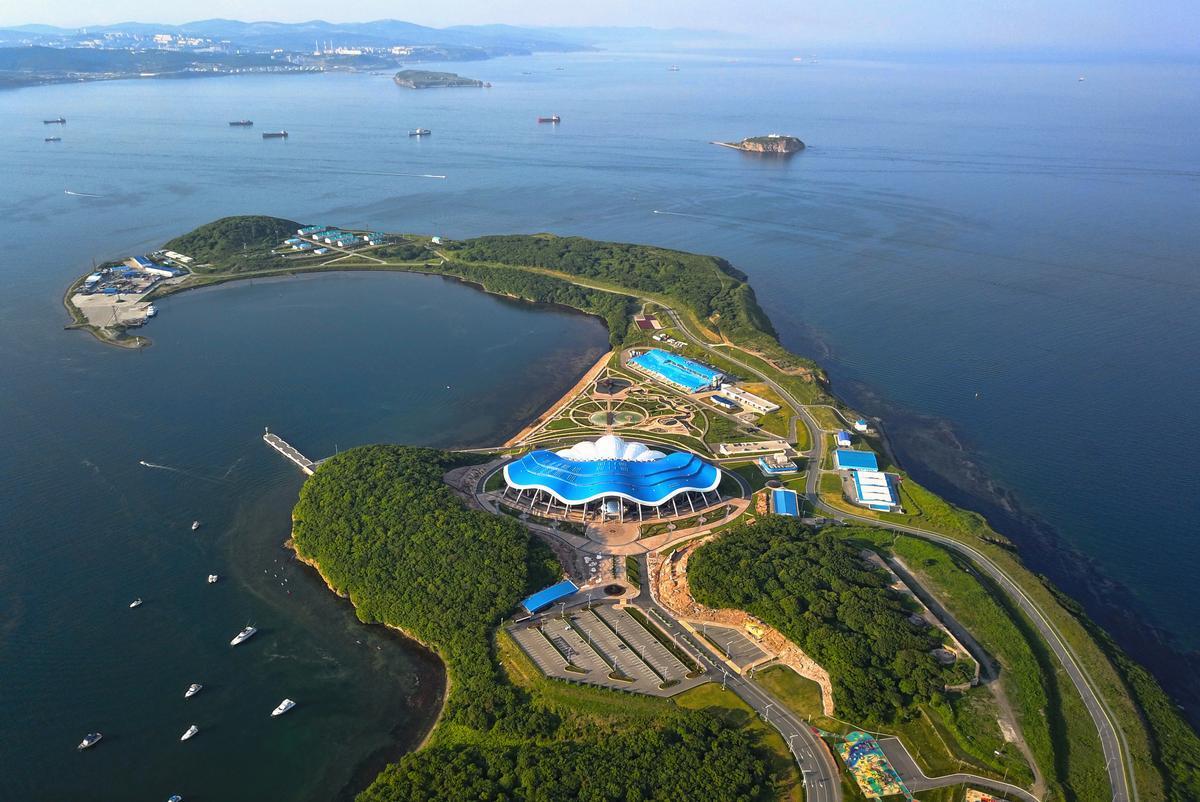
For decades, this island, separated from Vladivostok by the Eastern Bosphorus Strait, served as a closed military zone. It was home to the famous Voroshilov coastal battery and a submarine base. Its coastline is deeply carved with bays and capes, the southernmost of which is Cape Tobizina. Thanks to its isolation, Russky Island guarded the southern approaches to Vladivostok for years.
After the collapse of the USSR, the island fell into decline — until preparations for the APEC Summit brought it back to life. A cable-stayed bridge, also named Russky, was built across the strait to connect the island with Vladivostok, along with new campuses for the Far Eastern Federal University and the Primorsky Oceanarium. Today, Russky Island has become one of Vladivostok's most popular tourist destinations.
Plan Your Trip to Vladivostok
Vladivostok is unlike anywhere else in Russia — a place where the Pacific coastline, Trans-Siberian history, and Asian influences come together in one striking port city.
Whether you're drawn to dramatic bridges and sea views, layers of history from tsarist forts to Soviet submarines, or fresh local crab, Vladivostok and its surroundings offer plenty to explore year-round.
One of the easiest ways to experience Vladivostok is as part of a well-planned trip with organized tours that include key sights, Russky Island, and the wider Primorsky region.
Explore our tours to Vladivostok and the surrounding region, and find the itinerary that best matches your travel style.