Breakfast at the hotel.
10:00 A visit to the N.N. Palmov National Museum of Local Lore with the museum's guide is an exciting introduction to the rich history and culture of the Kalmyk people, from ancient times to the present day with its tragic and happy events, bright moments and unexpected turns, as well as outstanding people of the republic.
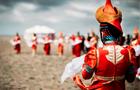
11:30 a.m. White road opening ritual from a local Buddhist organization.
Wishing for a "white road" in Kalmykia means wishing for a clean, bright path without obstacles and difficulties.
Since ancient times, the color white has been considered sacred among the nomadic peoples of Central Asia. Our ancestors blessed every deed with milk and white food, sprinkling the most sacred things they had — their ancestral places, the sacred "corner" of the yurt, the earth and the sky.
The opening of the white road belongs to the rituals of well-being. In the tradition of the nomads, one of these was the sec-sec ritual.
Wishing for a white road, our old people asked not only for an unhindered and successful life path, but also reminded that the behavior of the person himself should be immaculately pure and holy! The person to whom this was desired had to live in accordance with the moral code of the Oirats.
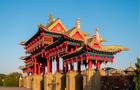
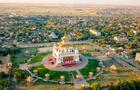
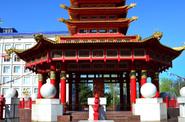
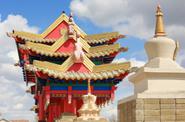
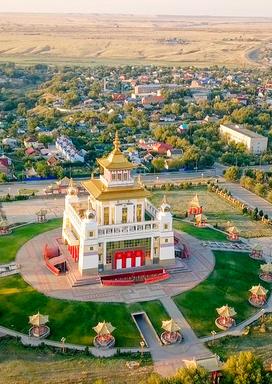
12:30 p.m. Visit to the central hurul "The Golden Abode of Shakyamuni Buddha" — an external and internal tour of the temple with a guide.
The Golden Monastery of Shakyamuni Buddha is the largest Buddhist temple in the Republic of Kalmykia and one of the largest in Europe. The Hurula building is 63 meters high and houses the largest 9-meter Buddha statue in Russia and Europe.
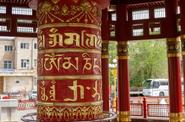
Tour of khurul: dugan, museum (when walking around the altar, you can put coins on the altar).
13:45 Memorial "Exodus and Return".
The memorial complex "Exodus and Return" is located in the east of Elista. It is dedicated to the victims of the repression and deportation of the Kalmyk people from their places of permanent residence.
The memorial recalls the tragic fate of the people who suffered as a result of the decisions of the state leadership.
During the Great Patriotic War, the Soviet government declared all Kalmyks, from children to the elderly, "enemies of the people." The Kalmyk ASSR was liquidated. On December 28, 1943, Operation Uluses began. Early in the morning, without warning, NKVD armed units began dispatching thousands of Kalmyk families to the regions of the Urals, Siberia and Central Asia. One hour was given for packing, the reasons for the eviction were not explained.
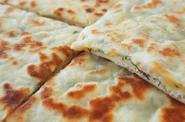
14:30 Lunch at a Kalmyk cuisine cafe.
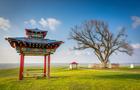
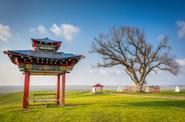
15:30 Departure to the place of power — Kalachakra of the Green Tara (former Lonely Poplar) (20 km).
Although the once majestic Lonely Poplar Tree has lost its branches, its place of power still has incredible energy.
One of the ten Kalachakra Stupas in the world is located here — the Kalachakra Stupa of Green Tara, unique to Russia and Europe.
Green Tara is the goddess of fearlessness and the keeper of the hearth. The green color of her body symbolizes activity, youth and life itself. Her unique feature is the quick fulfillment of desires, as it is believed that she can fulfill the request of anyone who turns to her with sincere prayers. She is called upon to protect all living beings, to help create a strong family, and especially to patronize pregnant women.
18:30 Visit to the Museum of Nomadic Peoples.
The museum is located on the territory of the city of chess.
The Oirat Museum of Mongolian Nomadic Culture is the first interactive museum in Elista.
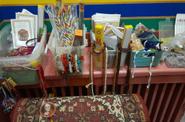
In the Mongolian yurt, where the museum is located, guests will be able to get acquainted with the everyday objects of nomads, with the way of nomadic life, listen to a story about the empire of Genghis Khan, about the history of the Oirat Mongols, about the traditions and culture of the Mongolian nomadic peoples, and draw out the ancient Oirat instruction, which, as a rule, very accurately gives the right direction to everyone.
Presentation of Todo Bichg— an old Kalmyk script created in 1648 by the Oirat scholar and educator Zaya Pandita. The name of this script literally translates as "clear writing", because unlike other Mongolian writing systems, Todo bichg is the most understandable and easy to read.
20:00 Dinner at the meat restaurant "Legend" (self-paid).
Here you can enjoy tasting the best steaks, which were made from the legendary Kalmyk meat using special cooking technology.

 Our Chinese department: